



- Inicio
- >
- A bit of history
A bit of history
The Guadiato Valley has been since ancient times a favorable territory for human settlement and the development of different cultures. The oldest remains found in the area date back to the Lower Paleolithic, when the first hunting and gathering communities began to inhabit this area rich in natural resources.
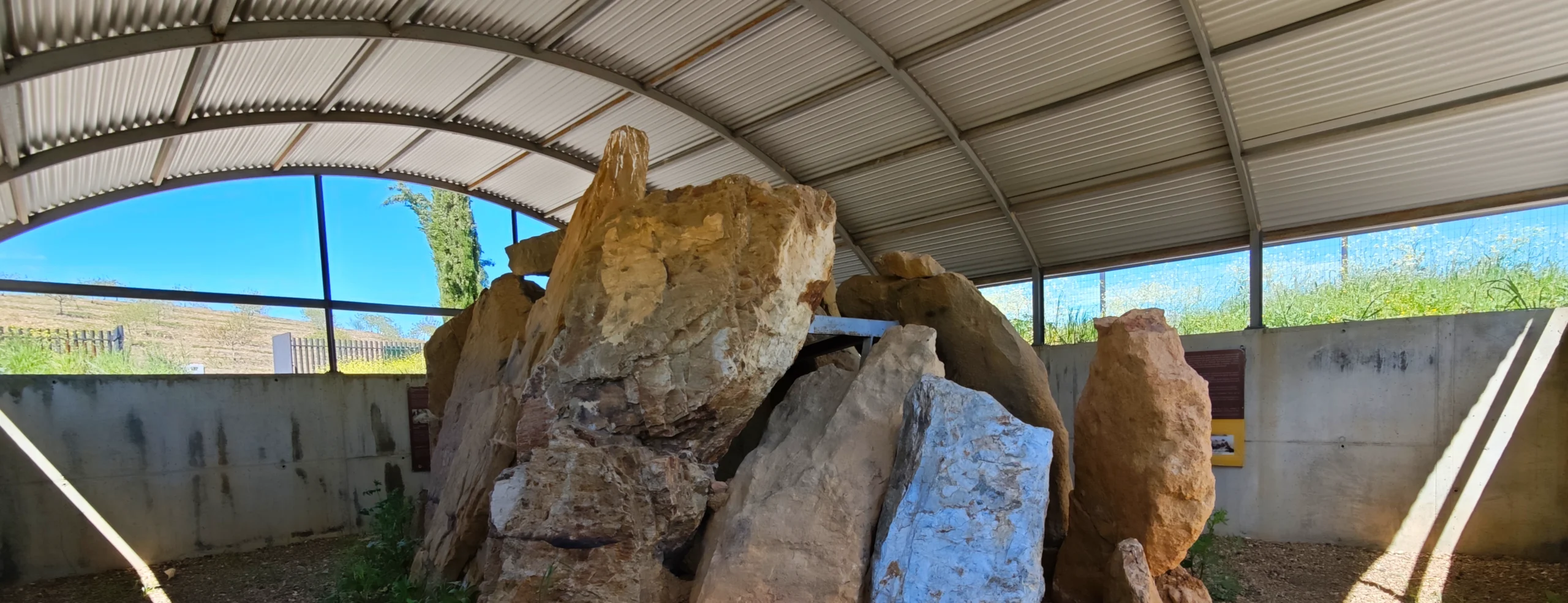
It will be with the arrival of the Neolithic when the settlement leaves more visible and significant traces. The appearance of agriculture and livestock, favored by the conditions of the environment, led to the establishment of numerous communities that left abundant prehistoric remains, especially from the Chalcolithic (2,500-1,000 B.C.), with an outstanding presence of dolmens. To this period also belong rock art manifestations such as the paintings of Abrigo de la Virgen, located in the Peñón that dominates Peñarroya-Pueblonuevo.
The pre-Roman Iberian cultures continued to occupy the territory and gave a first impulse to the exploitation of mining resources, extracting lead, copper, silver and gold from both the mines and the rivers of the valley. This activity reached its maximum development in Roman times, when large mining operations were organized to take full advantage of the economic potential of the territory. An outstanding example is the mine of La Loba, in the vicinity of Fuente Obejuna.
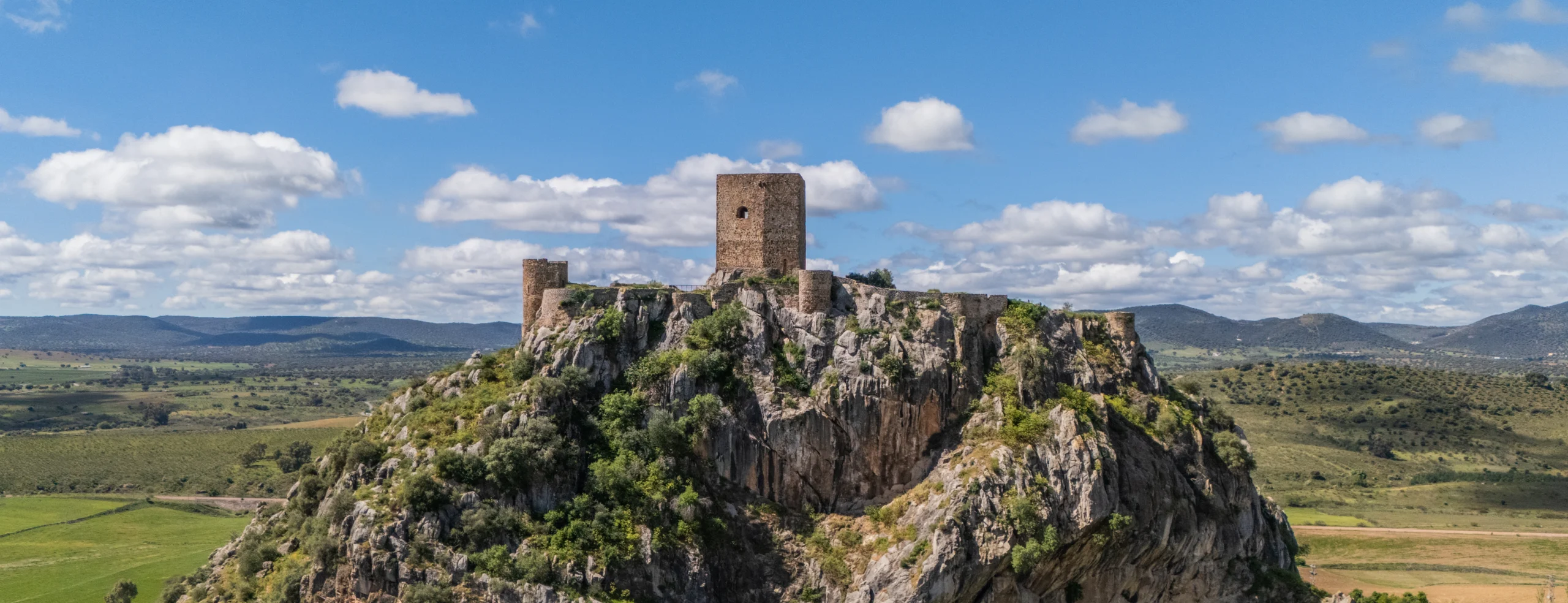
During the Andalusian period, the valley oriented its economy mainly towards livestock. One of the most emblematic heritage elements of the territory is preserved from this period: the Belmez Castle, which dominates the landscape as a witness of its defensive past.
With the Christian Reconquest, a period of greater stability began. Pig farming was introduced, which would acquire considerable economic importance, and settlement was consolidated through the creation of villages that allowed the occupation of areas that had been sparsely inhabited until then. In this context, one of the valley’s best-known historical episodes took place: the conflict between the commander of the Order of Calatrava, Fernán Gómez de Guzmán, who centuries later inspired Lope de Vega to write his famous play Fuenteovejuna.
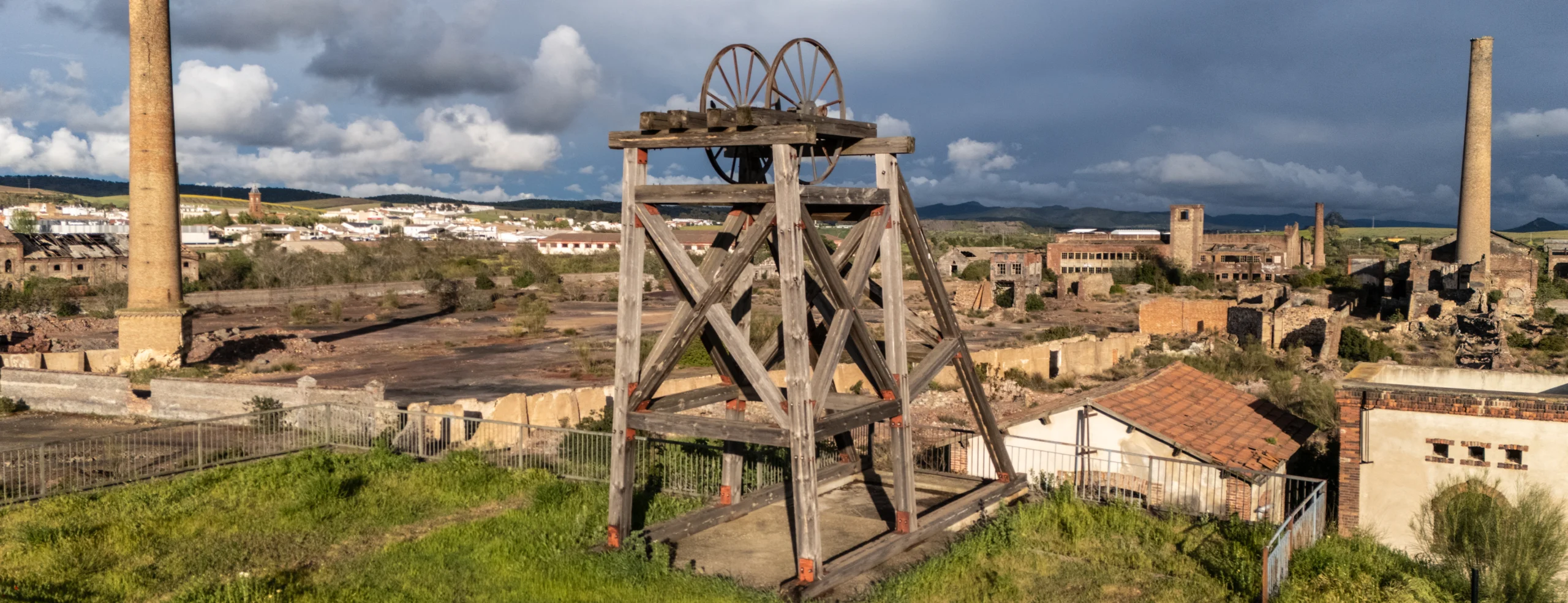
In the Modern Age, the Guadiato Valley continued to base its economy on agriculture and livestock, although the great changes came with the development of coal mining, which profoundly transformed the territory. Industrialization left a very visible mark on the landscape and local heritage, with working class neighborhoods, mining facilities and an important railway development that placed the valley as one of the most industrialized areas of Andalusia and a pioneer in the Industrial Revolution in Spain.
This period of prosperity lasted until the first third of the 20th century, when the mineral seams began to run out. The Civil War was a hard blow for the territory, which was on the front line. After the conflict, many villages were rebuilt by the Commissariat of Devastated Regions, shaping the current image of several municipalities in the valley.
Currently, the Guadiato Valley is facing a process of adaptation towards new economic models, betting on sustainable agriculture and livestock, the responsible use of its natural resources and the enhancement of its rich industrial, archaeological, cultural and ethnological heritage. A territory where history, landscape and industrial memory coexist, offering the visitor an authentic experience deeply linked to the identity of the place.
More from the blog
-
- 13.01.2026
- By
Industrial tourism: the mining memory that defines the Guadiato Valley
The Guadiato Valley cannot be understood without its industrial past. For decades, mining and railroads transformed this territory, its landscape and the lives of its inhabitants, leaving a deep imprint that today is preserved as one of its most unique heritages. Industrial tourism allows you to discover this history from the inside, touring areas that were key to the Industrial Revolution in southern Spain.
-
- 13.01.2026
- By
The Guadiato Valley region
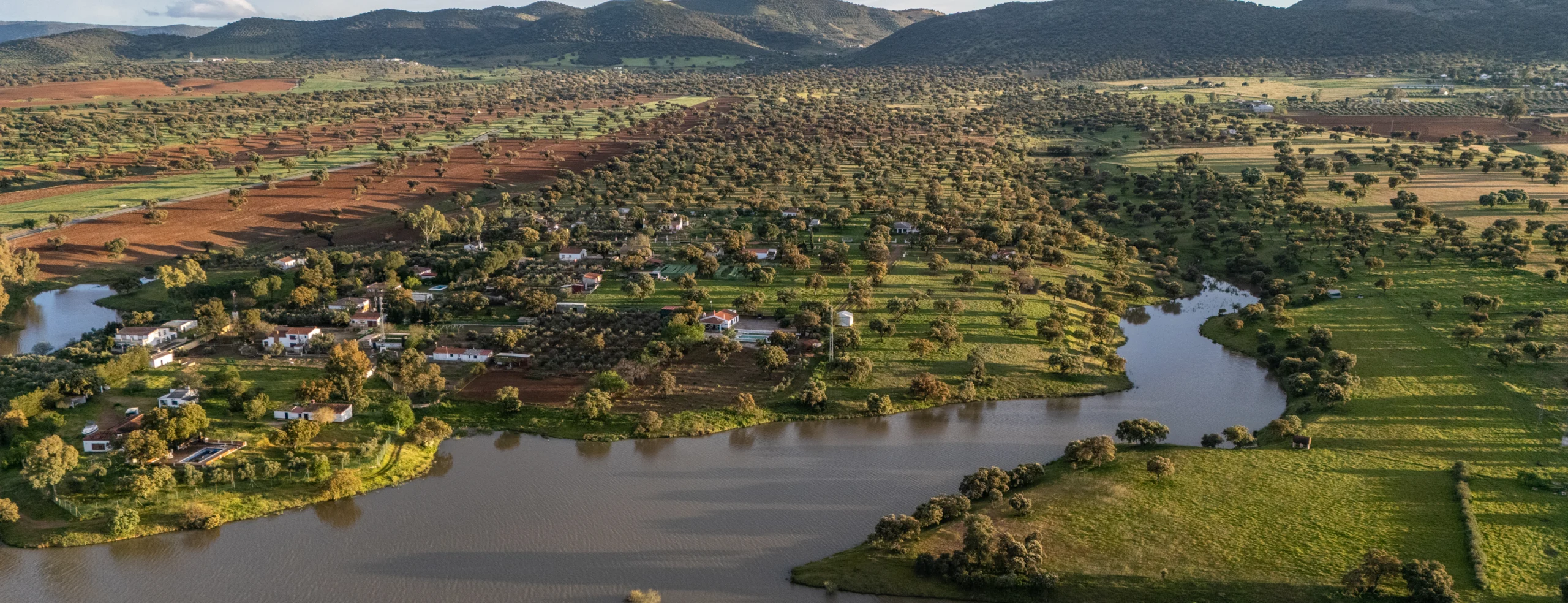
The region of the Guadiato Valley is located in the northwest of the province. It has a surface area of 2,512 km2 and a population of 28,683 inhabitants, according to the census of 2020 (Source INE), which represents a very low population density of only 11.44 inhabitants per km2. It takes its name from the Guadiato River and the valley that forms its course.


