


- Inicio
- >
- Flora and fauna in the valley
Flora and fauna in the valley
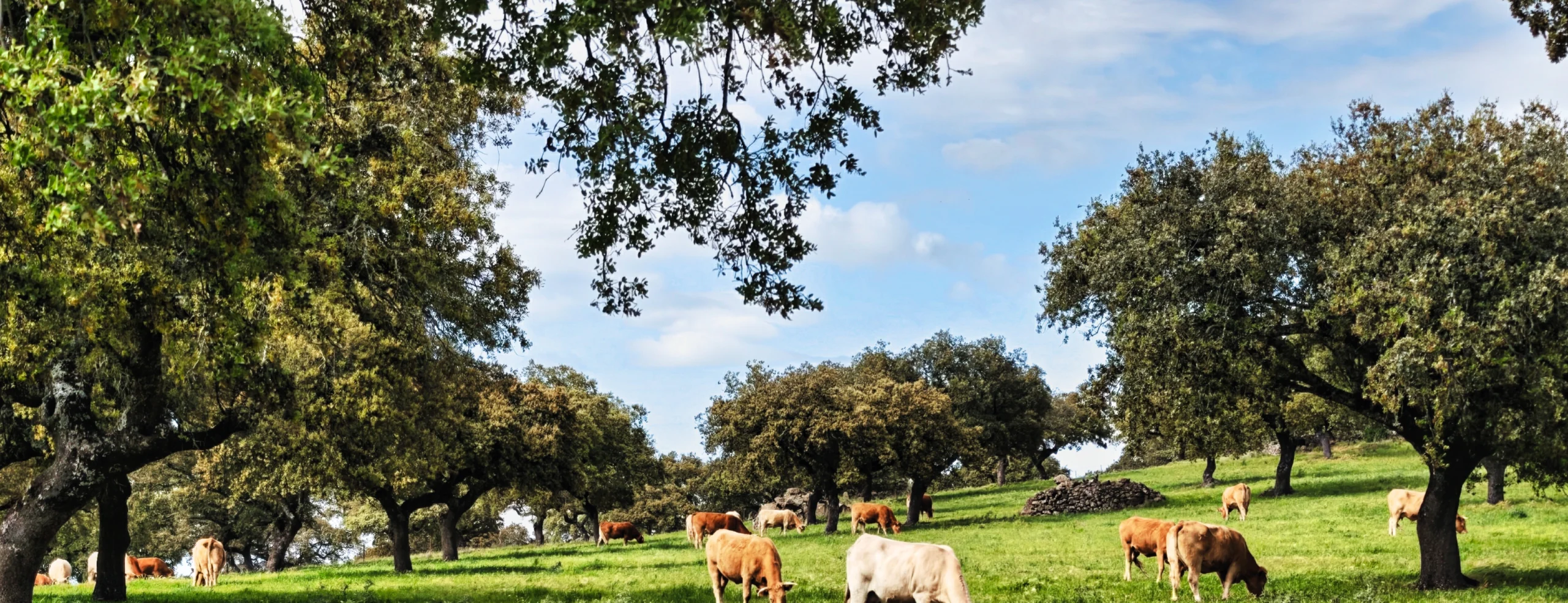
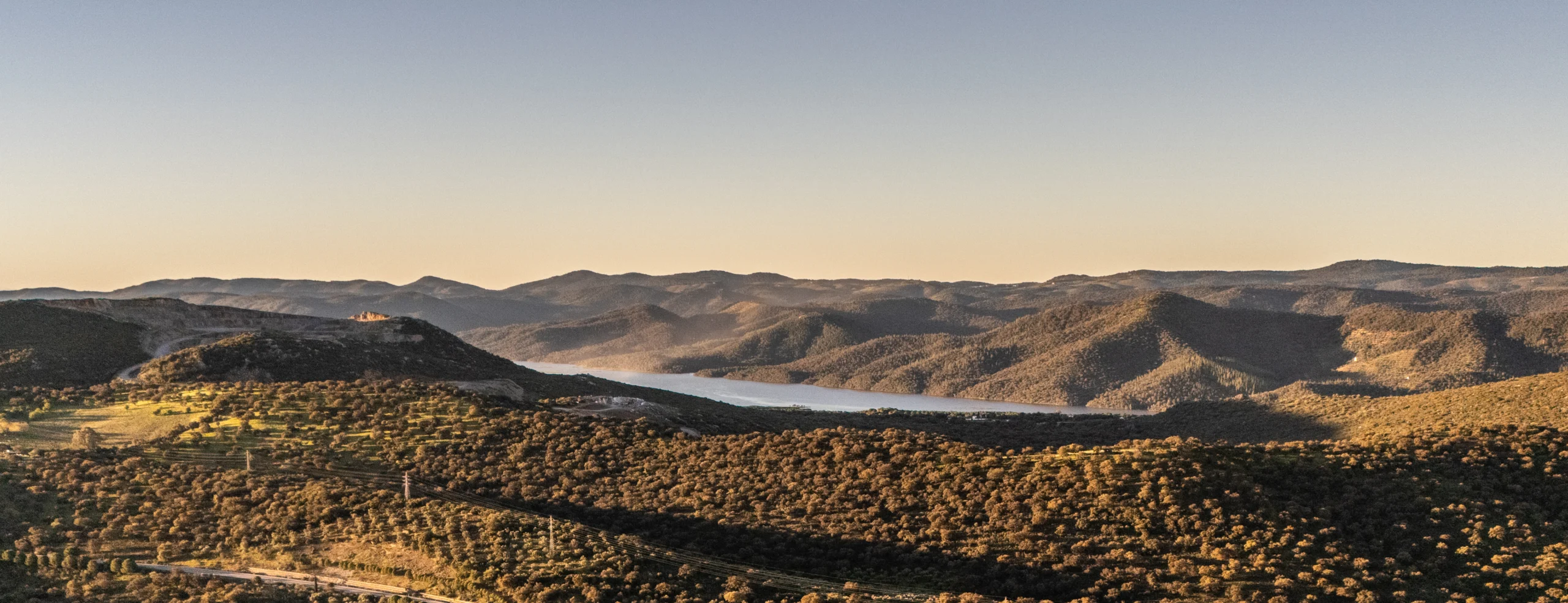
The Guadiato Valley brings together a mosaic of Mediterranean landscapes where pastures, aromatic scrubland, mountain ranges and riparian forests coexist. This variety of ecosystems explains the great natural wealth of the valley: a very diverse vegetation and a remarkable fauna, with species linked both to open spaces and to watercourses and wetlands.
Flora: a Mediterranean full of nuances
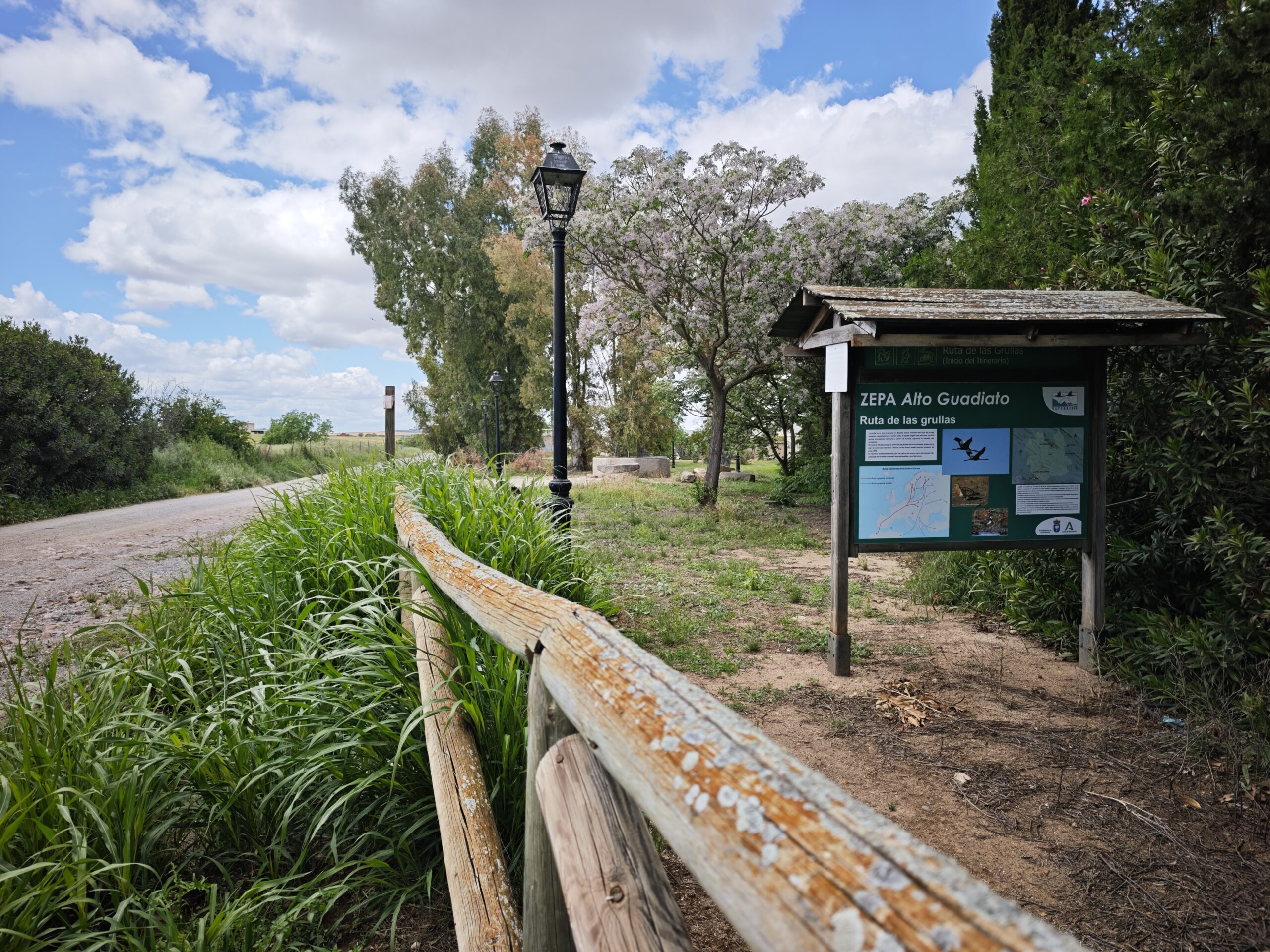
Due to its physical and climatic conditions, the valley is home to an abundant and varied flora. Among the most characteristic species are Mediterranean scrub and aromatic plants, such as rosemary, lavender, gorse and kermes oak, very present on slopes, clearings and scrubland areas.
Alongside these environments, there are woodland formations and better preserved areas in more abrupt areas, which function as true biodiversity refuges.
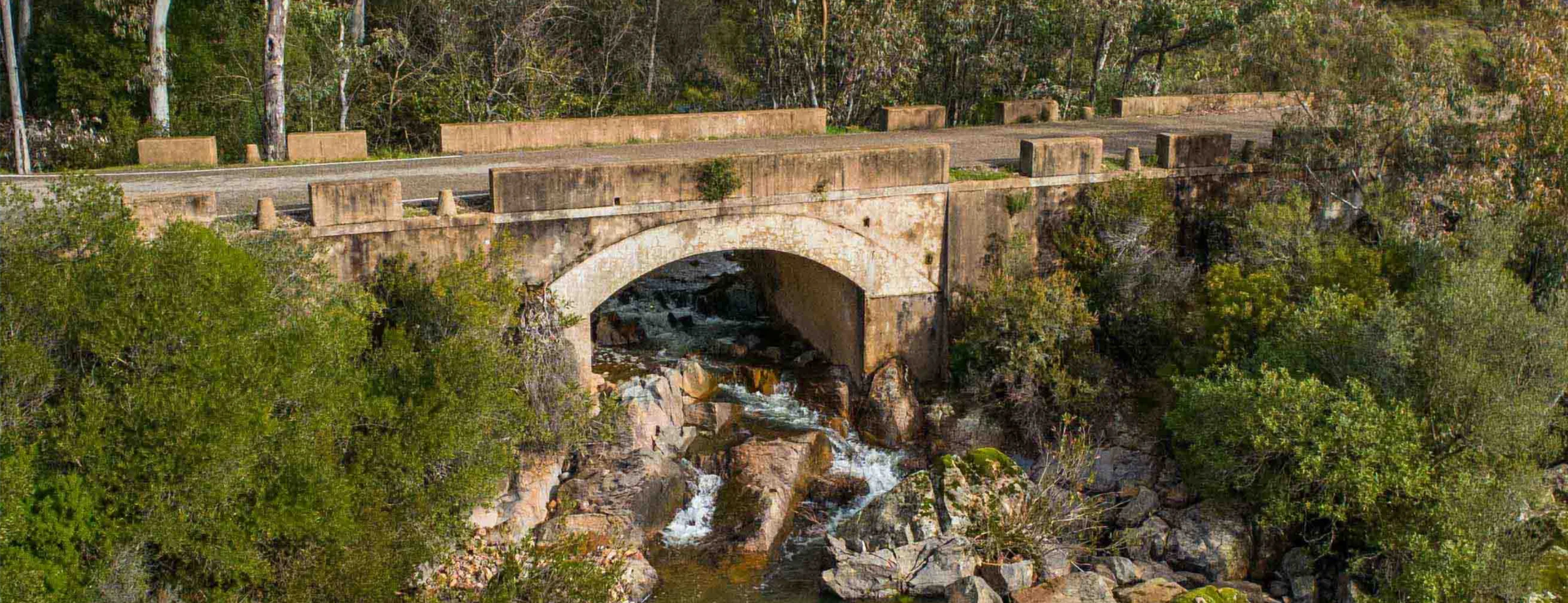
And where water marks the rhythm of the landscape, the valley preserves some of the most valuable riparian forests in its surroundings, with vegetation associated with rivers and streams that provides freshness, shade and life in contrast to the dry tones of summer.
Fauna: between the pasture, the forest and the river
The fauna of the Guadiato Valley is typical of the Mediterranean ecosystem, with an outstanding presence of species of great interest for observation in the wild. In the territory the hunting fauna stands out, with species such as deer, wild boar, red-legged partridge and rabbit, very conditioned by the area and the season of the year.
In terms of birds, the valley is especially attractive for the presence of unique and sensitive species. For example, the black stork, linked to quiet and well-preserved environments.
In addition, in the more open areas of the valley -countryside landscapes and areas of steppe character- birds typical of these environments can be found, some of them of high conservation interest, especially at specific times of the year.
An ideal valley to enjoy it calmly
The nature of the Guadiato Valley is best experienced at a slow pace: hiking, car routes with scenic stops, bird watching or walks along riverbanks and reservoirs. The landscape changes with each season: the flowering and aromas of the mountains in spring, the golden contrasts of summer, the colors of autumn and the clean light of winter.
More from the blog
-
- 13.01.2026
- By
The Guadiato Valley region
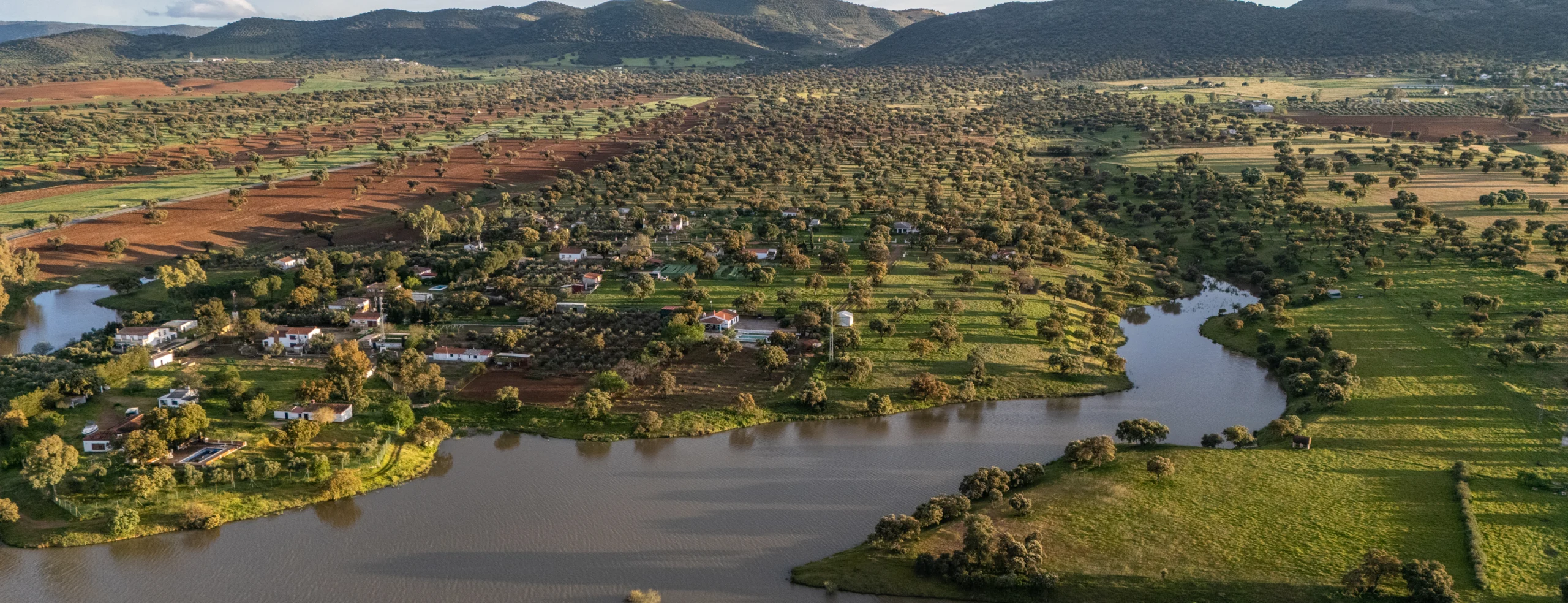
The region of the Guadiato Valley is located in the northwest of the province. It has a surface area of 2,512 km2 and a population of 28,683 inhabitants, according to the census of 2020 (Source INE), which represents a very low population density of only 11.44 inhabitants per km2. It takes its name from the Guadiato River and the valley that forms its course.
-
- 13.01.2026
- By
Industrial tourism: the mining memory that defines the Guadiato Valley
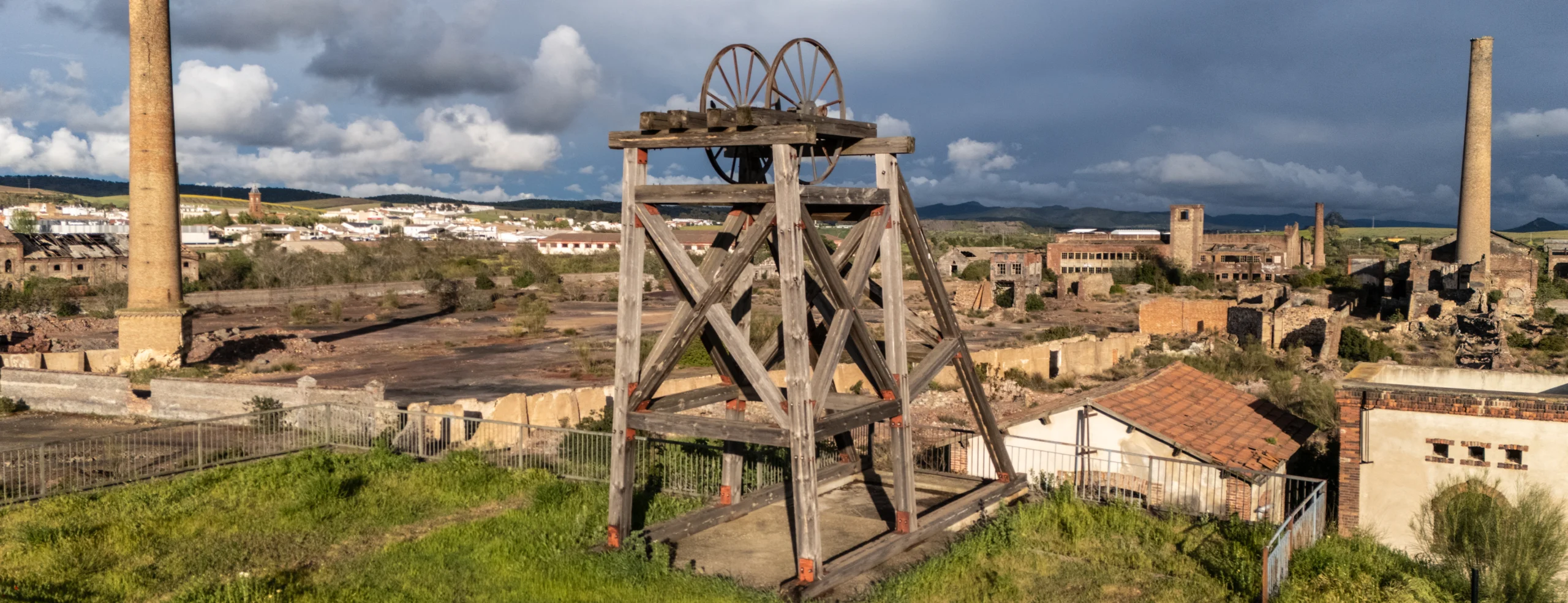
The Guadiato Valley cannot be understood without its industrial past. For decades, mining and railroads transformed this territory, its landscape and the lives of its inhabitants, leaving a deep imprint that today is preserved as one of its most unique heritages. Industrial tourism allows you to discover this history from the inside, touring areas that were key to the Industrial Revolution in southern Spain.


