


- Inicio
- >
- Industrial tourism: the mining memory that defines the Guadiato Valley
Industrial tourism: the mining memory that defines the Guadiato Valley
The Guadiato Valley cannot be understood without its industrial past. For decades, mining and railroads transformed this territory, its landscape and the lives of its inhabitants, leaving a deep imprint that today is preserved as one of its most unique heritages. Industrial tourism allows you to discover this history from the inside, touring areas that were key to the Industrial Revolution in southern Spain.
Far from being a distant memory, the mining heritage is still very present in the valley, integrated in its landscape and in the collective memory of its people.
A valley marked by mining
The mineral richness of the Guadiato prompted, from the nineteenth century, an intense process of industrialization linked mainly to the extraction of coal. This development turned the valley into one of the main industrial centers of Andalusia, attracting population, foreign capital and new ways of life.
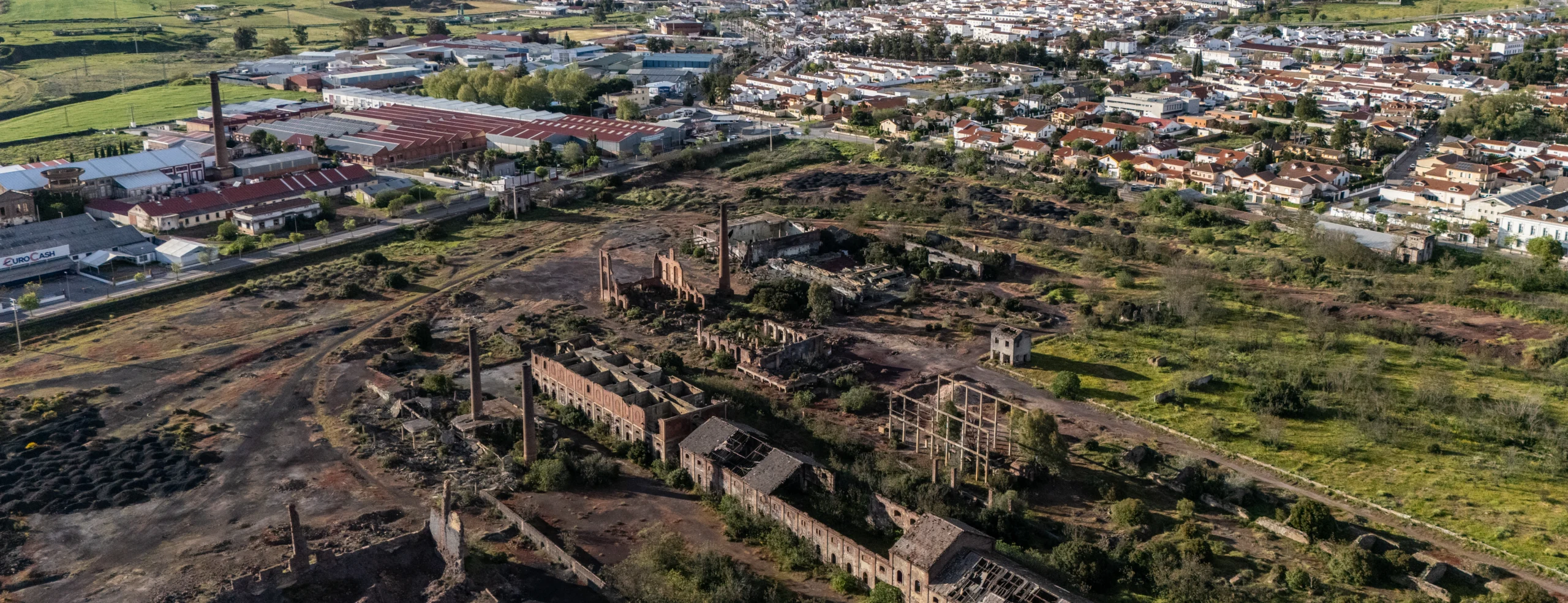
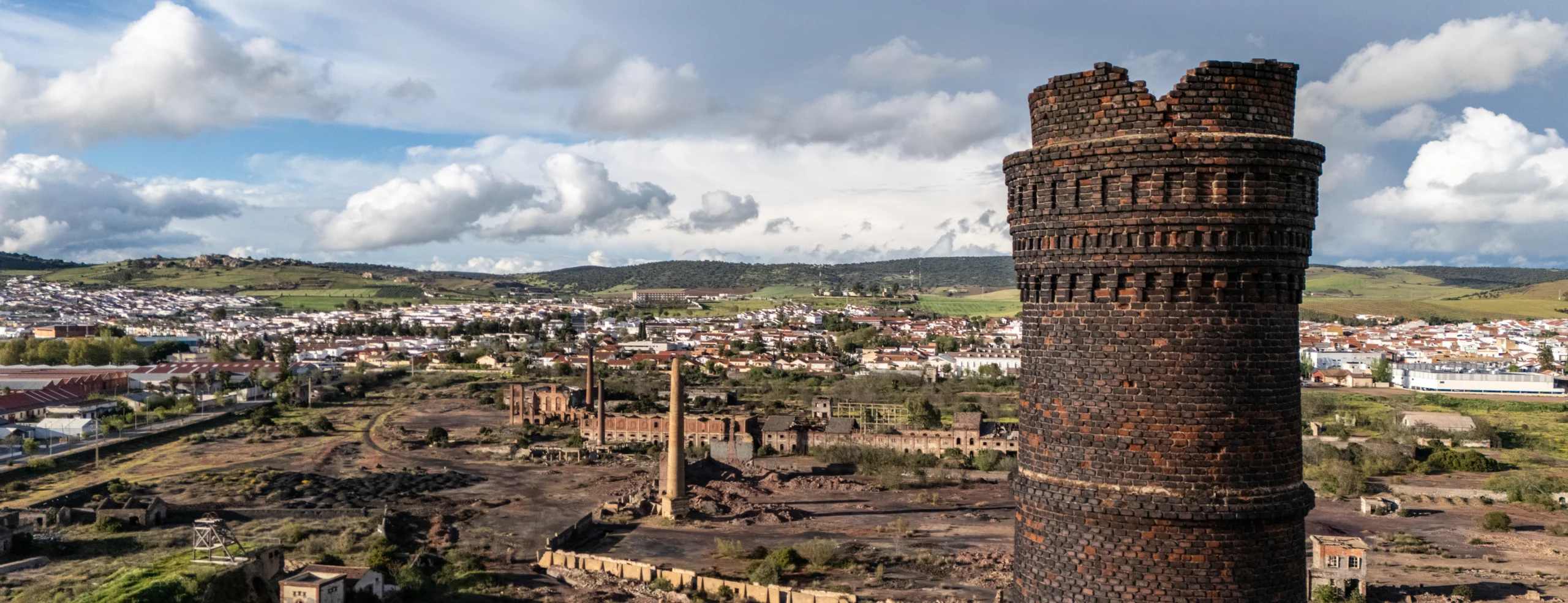
The maximum exponent of this past is Peñarroya-Pueblonuevo .the real industrial heart of the valley. Here are preserved some of the most relevant industrial archaeological sites of the territory, where factories, workshops, chimneys and old railway infrastructures tell a story of effort, innovation and social transformation.
The Industrial Fence and the Quarter of the French Quarter
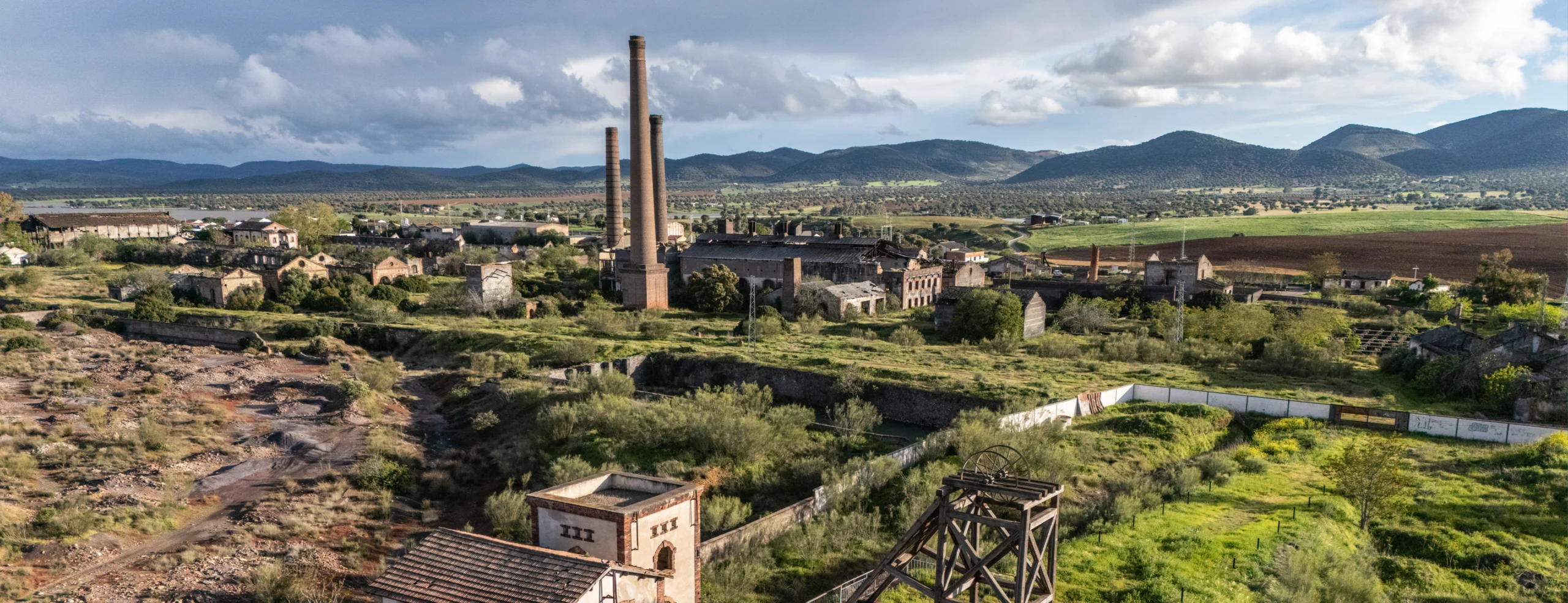
One of the most emblematic spaces is the Cerco Industrial, a unique complex that reflects the magnitude of the mining and industrial activity that took place in the valley. Strolling through this environment allows us to imagine the work rhythm of thousands of people and to understand the strategic importance that the Guadiato had in the national economy.
Nearby is the Barrio de los Franceses, a unique example of industrial urbanism linked to the presence of foreign companies. Its orderly housing, rational layout and differentiated architecture show how industry not only changed the economy, but also the way of inhabiting the territory.
Railroads, mines and landscape
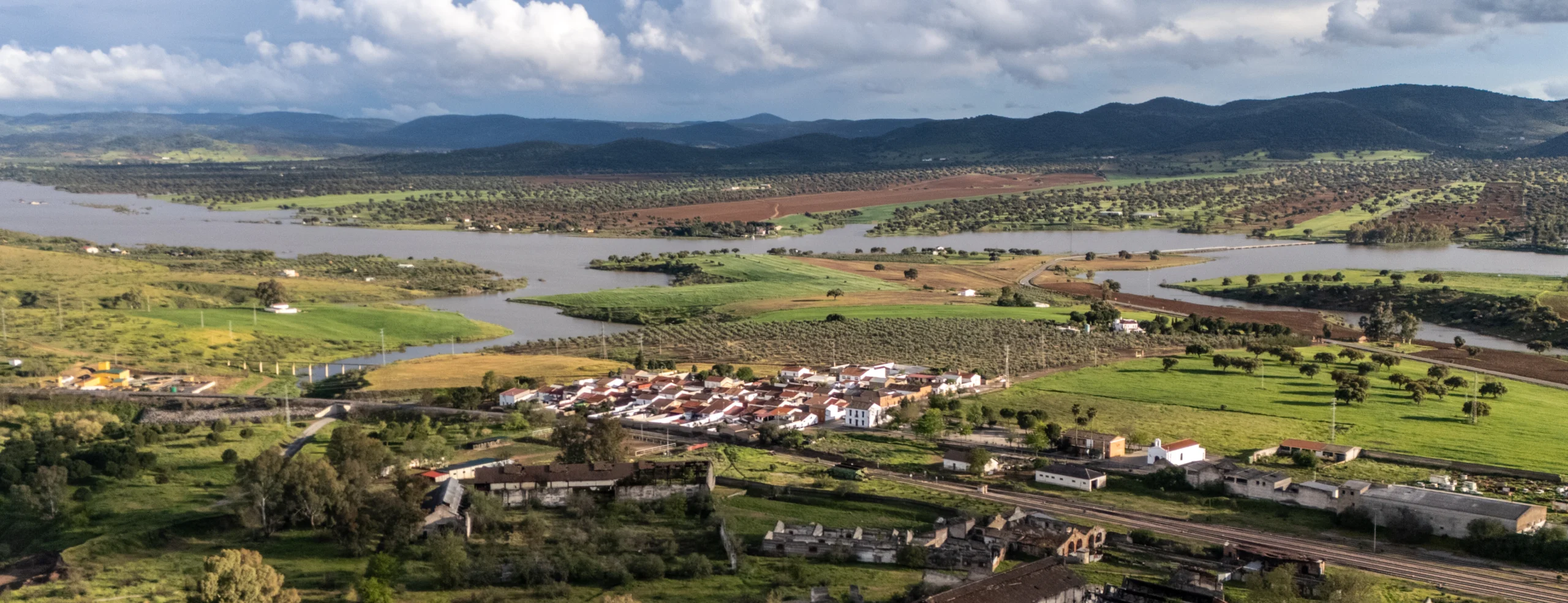
The industrial development of the valley was closely linked to the railroad, which allowed the transport of coal and connected the Guadiato with other parts of Andalusia and Spain. Remains of old stations, railway lines and elements associated with mining transport are now part of the landscape, integrated into cultural routes and interpretive tours.
Extraction derricks, slag heaps, old mines and industrial buildings mark the territory, creating a unique landscape where nature and industry coexist in a surprising way.
A heritage that looks to the future
Today, industrial tourism is presented as an opportunity to rediscover the Guadiato Valley from a different perspective. Museums, interpretation centers and thematic routes allow to understand the mining past and pay tribute to the generations that forged the identity of the valley with their work.
Visiting these spaces is not only an exercise of memory, but also a way to understand the ability of Guadiato to reinvent itself, preserve its heritage and turn its history into a cultural and touristic value of the first order.
Industrial tourism is, in short, an invitation to get to know the working soul of the Guadiato Valley, a territory where history is not erased, but transformed into experience.
More from the blog
-
- 13.01.2026
- By
The Guadiato Valley region
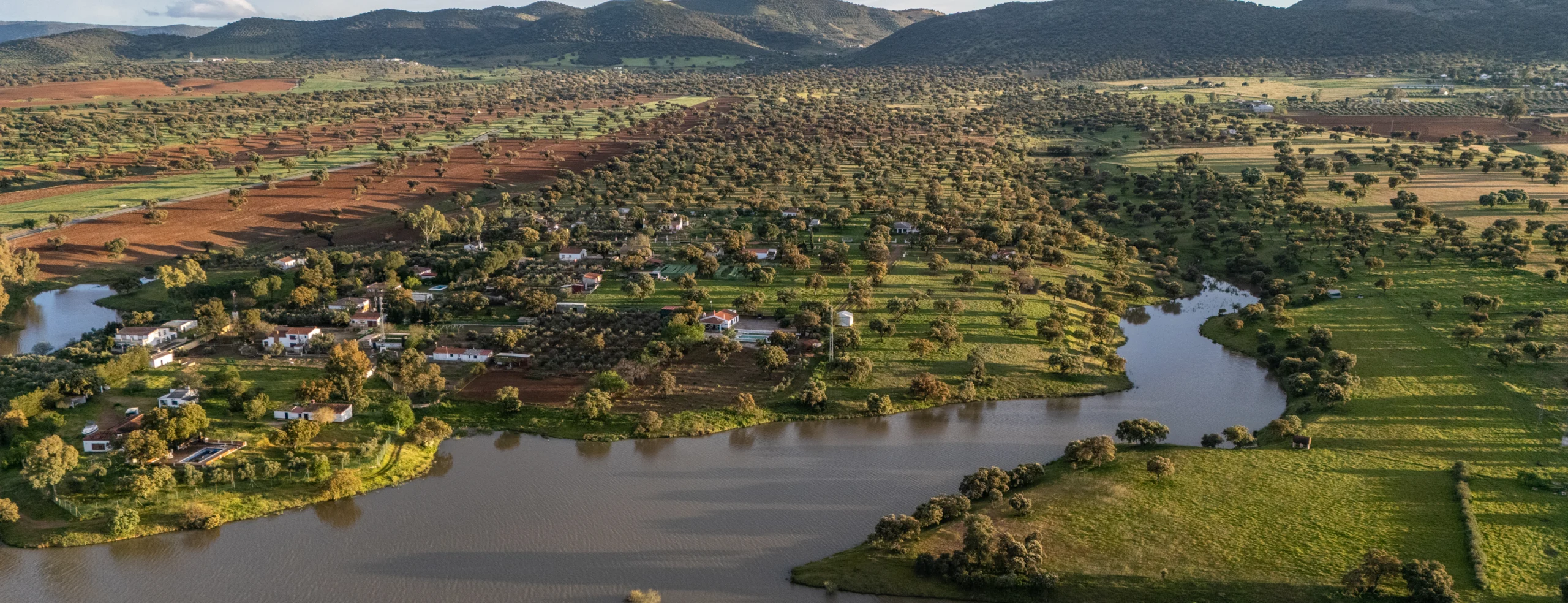
The region of the Guadiato Valley is located in the northwest of the province. It has a surface area of 2,512 km2 and a population of 28,683 inhabitants, according to the census of 2020 (Source INE), which represents a very low population density of only 11.44 inhabitants per km2. It takes its name from the Guadiato River and the valley that forms its course.
-
- 13.01.2026
- By
Flora and fauna in the valley
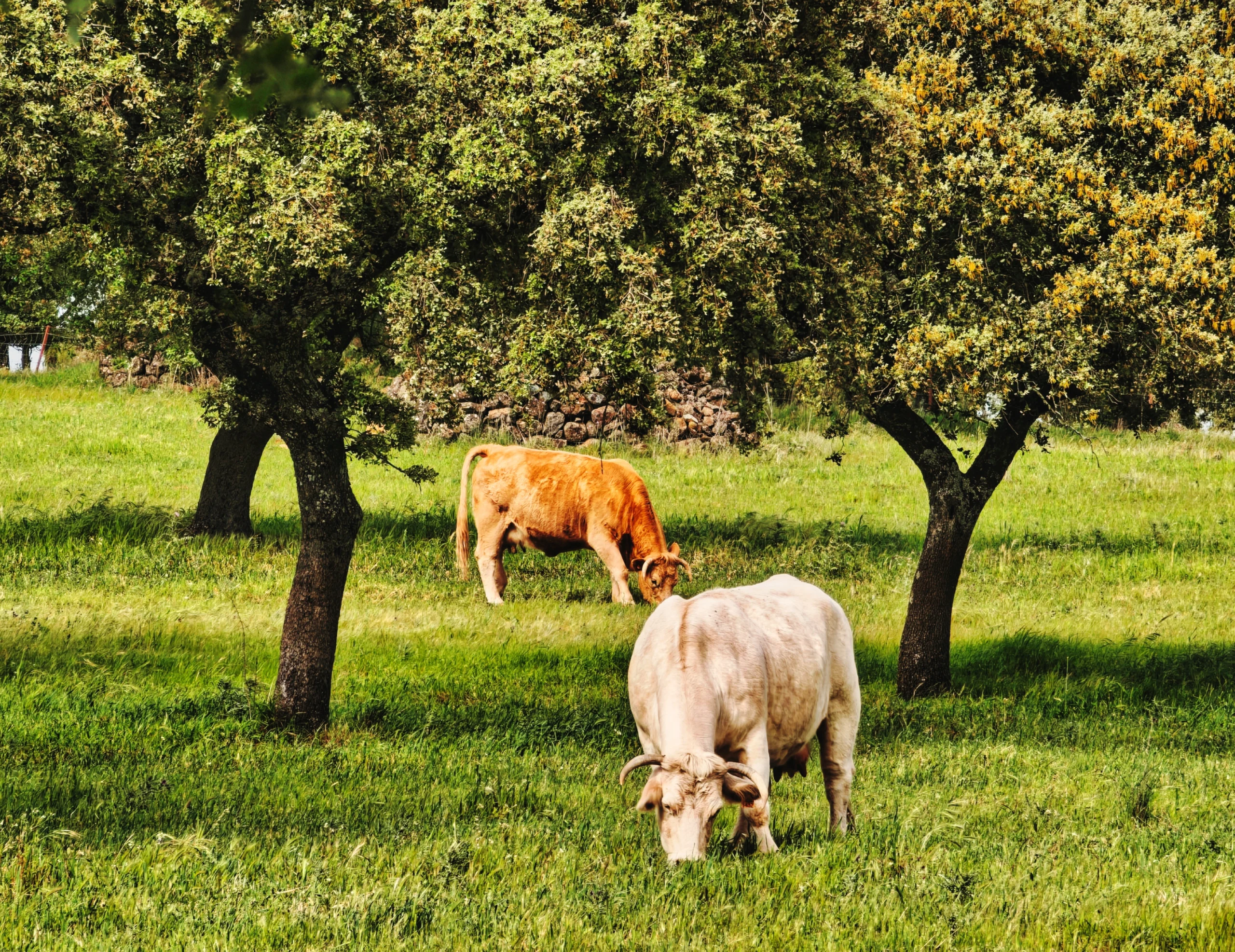
The Guadiato Valley brings together a mosaic of Mediterranean landscapes where pastures, aromatic scrubland, mountain ranges and riparian forests coexist. This variety of ecosystems explains the great natural wealth of the valley: a very diverse vegetation and a remarkable fauna, with species linked both to open spaces and to watercourses and wetlands.


