
- Inicio
- >
- Archaeological Museum
Archaeological Museum
- Fuente Obejuna
The archaeological site of Mellaria, located in the surroundings of Cerro Masatrigo, preserves the memory of an important Roman city in the Guadiato Valley. In Roman times, Mellaria had an important role as a communications hub, linked to the axis of the Córdoba-Mérida road.
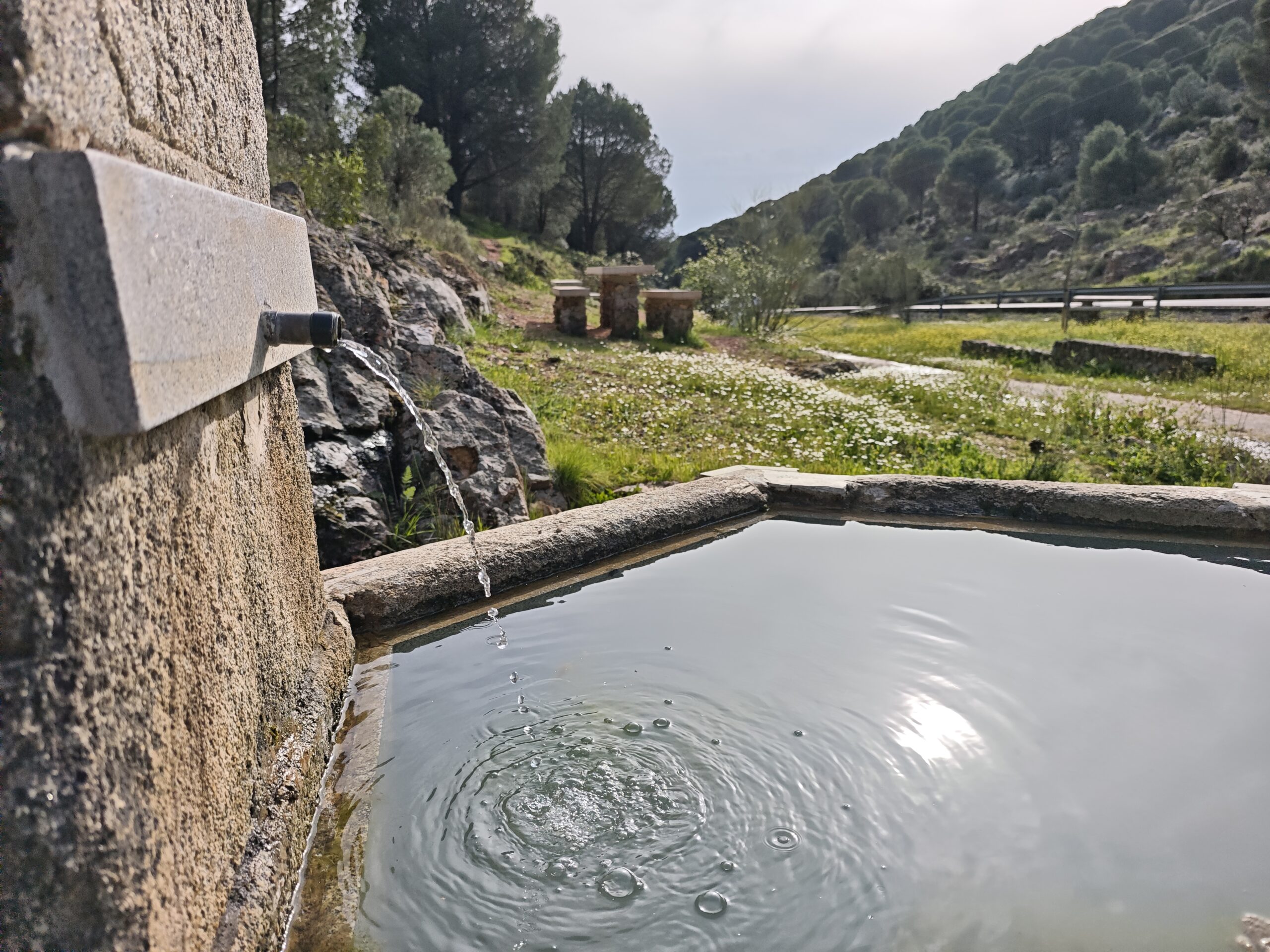
The city had a water supply system by means of an aqueduct coming from the Quicla Fountain, with a length of about 8 kilometers, until it flowed into the San Pedro reservoir, considered the lacus or terminal reservoir of the system.
The origin of the name Mellaria has been interpreted in different ways. Some authors relate it to the sweetness and quality of its waters, compared to honey, while most scholars link it to beekeeping, one of the main sources of wealth in the area.
The archaeological surface materials point to a possible abandonment or depopulation around the 3rd century A.D. However, numismatic studies show a more prolonged occupation, from the High Imperial period until the 5th century.
Gallery of
Archaeological Museum