


- Inicio
- >
- The flavors of the pasture, cuisine with memory
The flavors of the pasture, cuisine with memory
The gastronomy of the Guadiato Valley is a true reflection of its landscape and its history. An honest cuisine, linked to the pasture, extensive livestock farming and a way of life where the use of the environment has marked for centuries the way of eating. Here, flavors do not follow fashions: they are born from the territory and are transmitted from generation to generation.
To speak of the cuisine of Guadiato is to speak of time, patience and respect for the product.
The pasture as a natural pantry
The great gastronomic pillar of the valley is the Mediterranean pasture, a balanced ecosystem where holm oaks, cork oaks and natural pastures coexist. From this environment is born one of the most emblematic products of the area: the Iberian pig, raised in freedom and fed with acorns during the “montanera”.
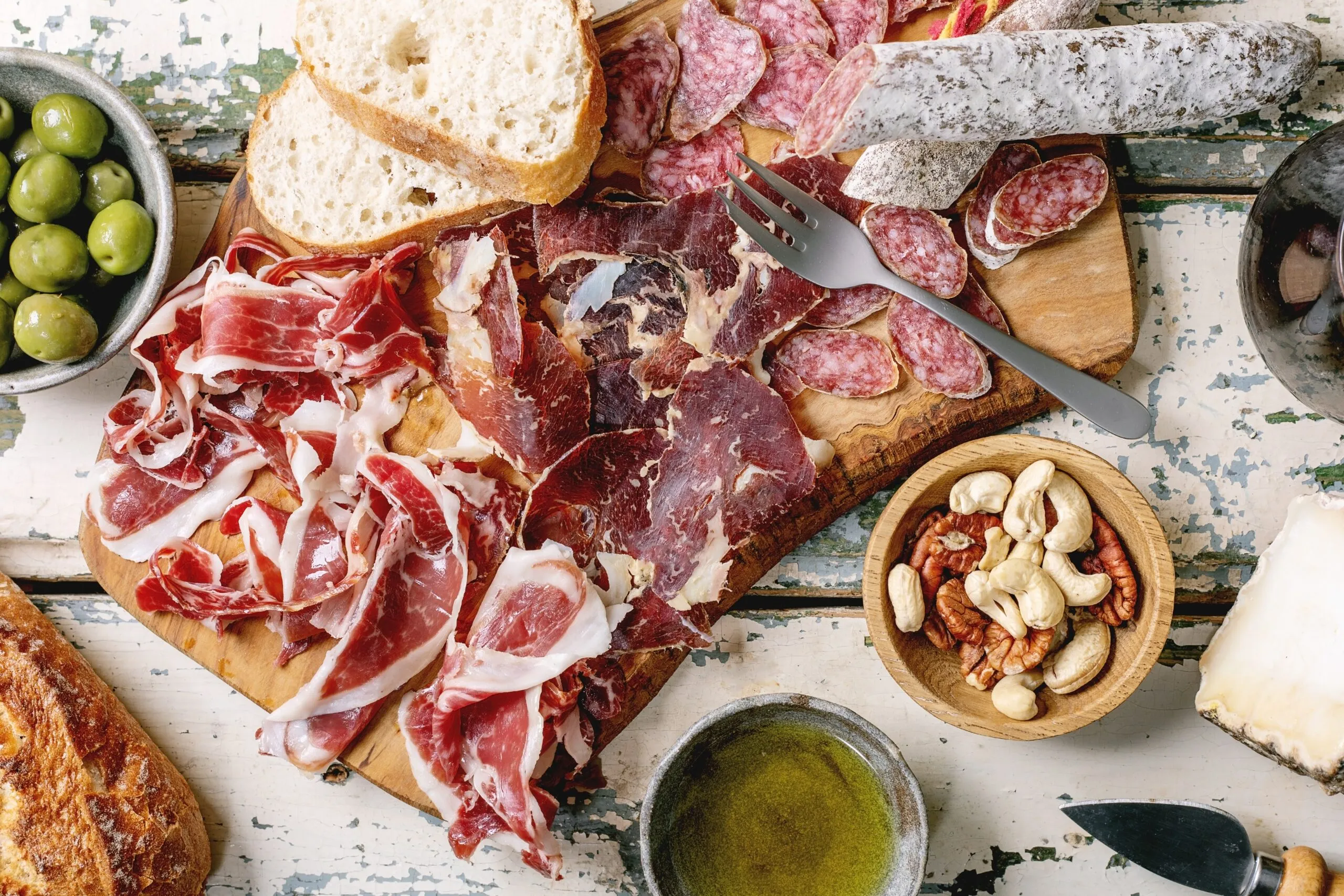
Hams, shoulders, loins and artisan sausages are an essential part of the gastronomic identity of the valley. Traditionally produced products, linked to small local productions, which concentrate the flavor and character of the Guadiato in every bite.
Traditional cuisine: dishes that tell stories
The local gastronomy is based on simple and strong recipes, designed to feed those who worked the fields, took care of the cattle or went down to the mine. Spoon dishes, long stews and elaborations where bread, legumes and meats play a leading role.
Stews, migas, stews, game meats and recipes made with seasonal products are part of a deeply seasonal cuisine. Each dish has its moment and its context, linked to the agricultural calendar, traditional slaughters or popular celebrations.
Slaughter and gastronomic traditions
One of the most deeply rooted rituals in the valley is the traditional slaughter, much more than a food practice. It is a social event that brings together families and neighbors around shared work and collective cooking. The result is sausages, preserved meats and recipes that are still made today using traditional methods.
These traditions are still alive in many villages of the valley, especially during the winter months, and are part of an intangible cultural heritage that defines the gastronomic identity of the territory.
Local products with identity
In addition to Iberian pork products, the Guadiato Valley offers other high quality products: olive oils, homemade sweets, artisan cheeses and garden products grown on a small scale. Humble ingredients, but full of flavor, that find their best expression in bars, restaurants and traditional sales.
Sitting at the table in Guadiato is a close and authentic experience, where the cuisine is served without artifice and the product speaks for itself.
Savoring the valley
Discovering the gastronomy of the Guadiato Valley is a way of understanding its history and landscape. Each dish is the result of centuries of adaptation to the environment, transmitted knowledge and a respectful relationship with the land.
Visitors who come to the valley not only find nature, heritage or tranquility: they find a cuisine with roots that invites them to stay, to share and to return. Because in Guadiato, gastronomy is not a complement to the trip: it is an essential part of the experience.
More from the blog
-
- 13.01.2026
- By
The Guadiato Valley region
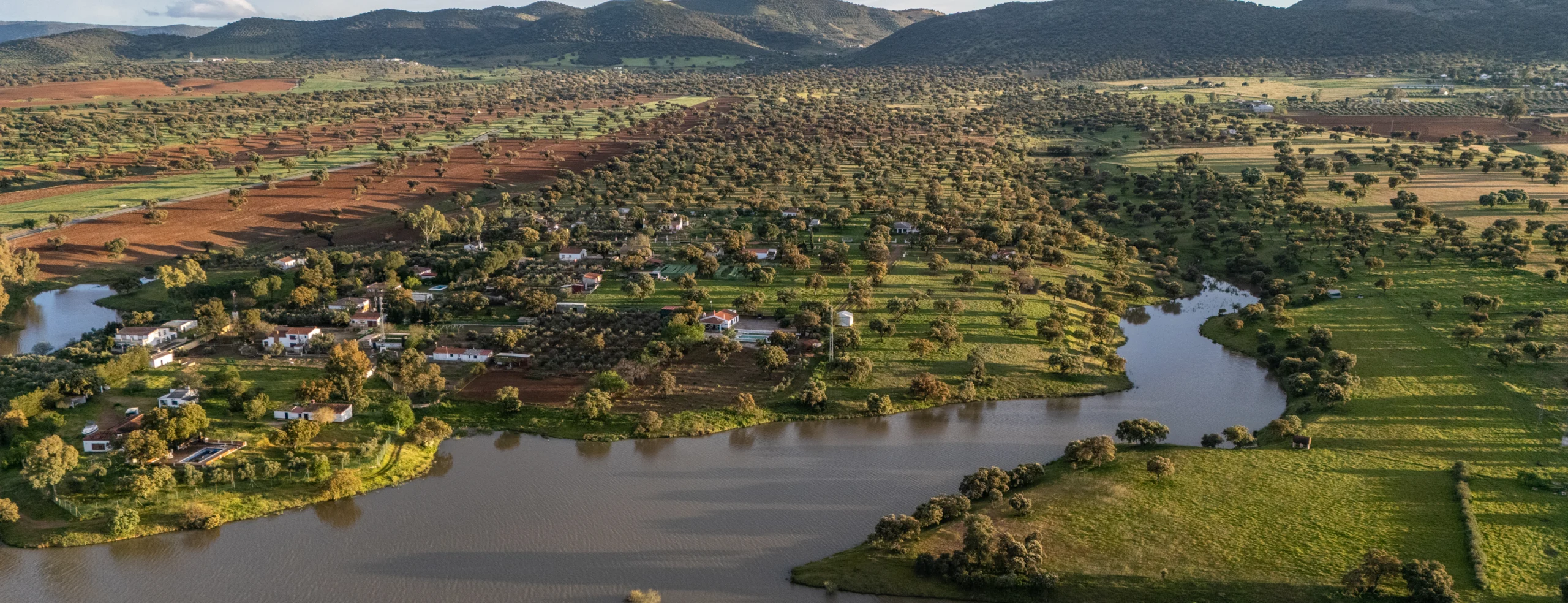
The region of the Guadiato Valley is located in the northwest of the province. It has a surface area of 2,512 km2 and a population of 28,683 inhabitants, according to the census of 2020 (Source INE), which represents a very low population density of only 11.44 inhabitants per km2. It takes its name from the Guadiato River and the valley that forms its course.
-
- 13.01.2026
- By
Flora and fauna in the valley
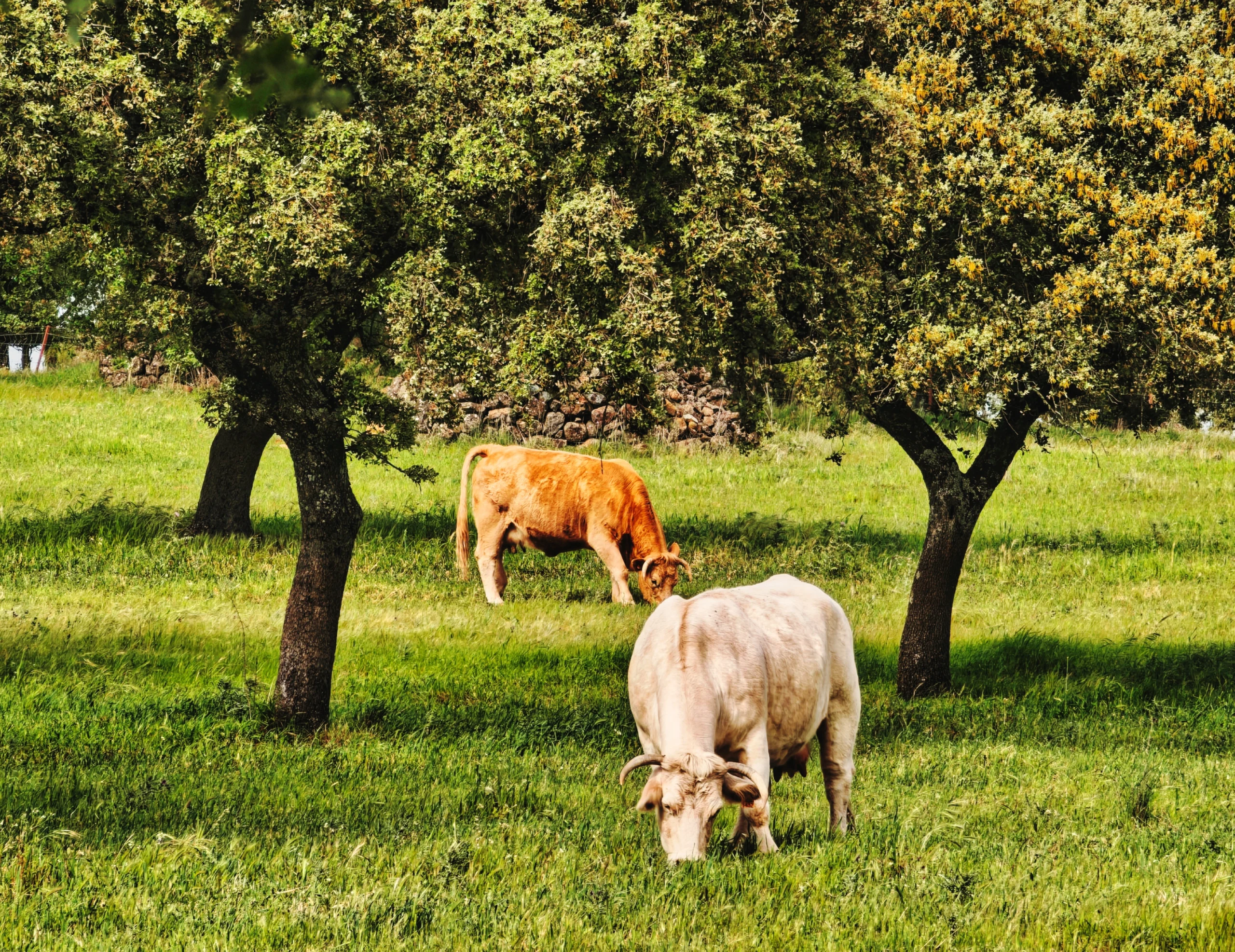
The Guadiato Valley brings together a mosaic of Mediterranean landscapes where pastures, aromatic scrubland, mountain ranges and riparian forests coexist. This variety of ecosystems explains the great natural wealth of the valley: a very diverse vegetation and a remarkable fauna, with species linked both to open spaces and to watercourses and wetlands.


