






- Inicio
- >
- Fuente Obejuna: history, theater and collective soul in the Guadiato Valley
Fuente Obejuna: history, theater and collective soul in the Guadiato Valley
To speak of the Guadiato Valley is to speak of living history, and few places embody it with such force as Fuente Obejuna. This municipality not only preserves a valuable historical and architectural heritage, but has transcended borders thanks to one of the most universal episodes of the collective history: the one that inspired Lope de Vega to write his immortal play Fuenteovejuna.
Strolling through Fuente Obejuna today is to walk through a scenario where history has not remained in the books. Its streets, squares and buildings preserve the memory of a town that became a symbol of dignity, union and resistance against the abuses of feudal power.
An episode that marked history
In the 15th century, the inhabitants of Fuente Obejuna staged an uprising against the commander of the Order of Calatrava, Fernán Gómez de Guzmánfed up with the abuses committed against the population. The collective response of the people – “Fuenteovejuna did it”- became an exceptional example of unity and popular justice.
Centuries later, Lope de Vega transformed this historical fact into one of the most emblematic works of universal theater, placing Fuente Obejuna on the cultural map forever. Since then, the name of the municipality is inextricably linked to values such as solidarity, collective identity and the defense of dignity.
A people who live and feel
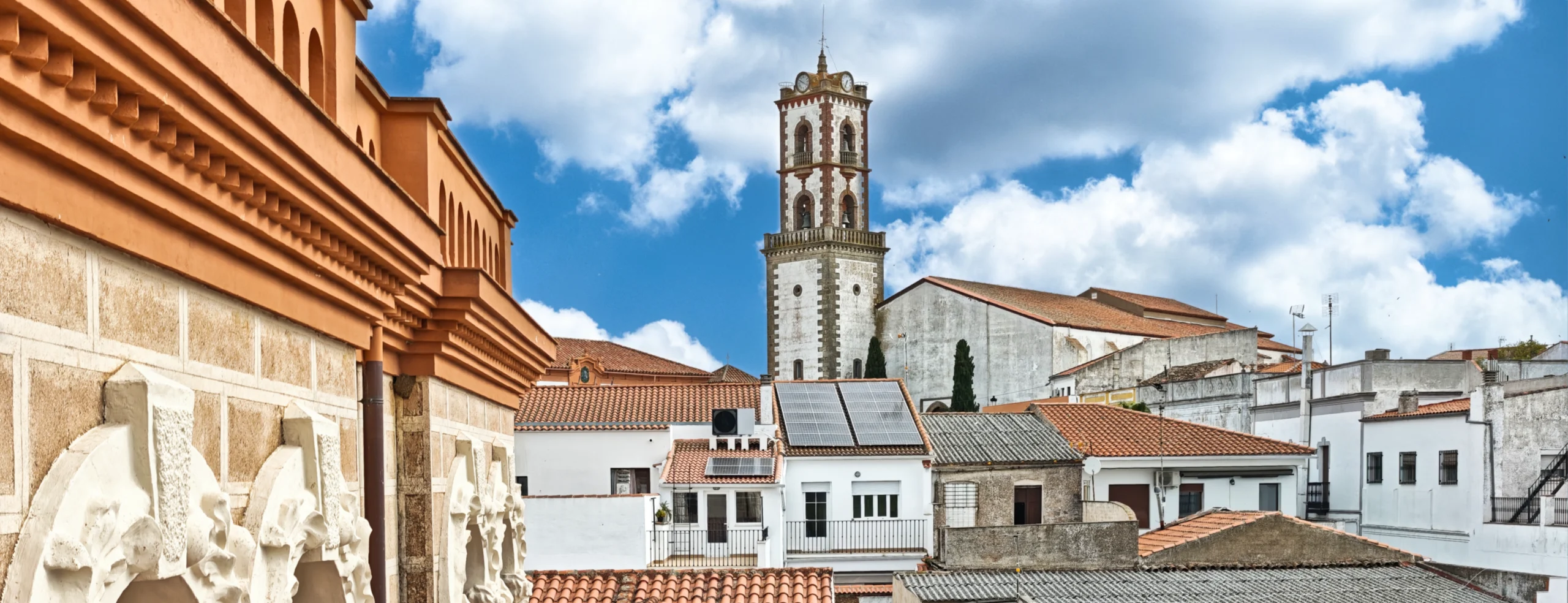
Beyond its historical relevance, Fuente Obejuna offers visitors a charming historic center, presided over by its Plaza Mayor, the parish church and an urban area that invites you to wander aimlessly. Every corner breathes tradition, and every walk allows to understand the close relationship between the town, its territory and its history.
One of the most special moments to visit Fuente Obejuna is during its popular theatrical performances, when neighbors become protagonists and relive the drama of Lope de Vega in open spaces. It is not just theater: it is an emotional experience that connects past and present, visitor and territory.
Culture, tradition and the Guadiato Valley
Fuente Obejuna is an essential part of the cultural identity of the Guadiato Valley. Its history adds to the heritage, natural and human wealth of the valley, offering an experience that goes beyond conventional tourism. Here you not only visit a place: you understand a message.
To discover Fuente Obejuna is to approach the heart of the Guadiato, a territory where history still has a voice and where each village contributes a unique chapter to a common story.
More from the blog
-

- 13.01.2026
- By
The flavors of the pasture, cuisine with memory
The gastronomy of the Guadiato Valley is a true reflection of its landscape and its history. An honest cuisine, linked to the pasture, extensive livestock farming and a way of life where the use of the environment has marked for centuries the way of eating. Here, flavors do not follow fashions: they are born from the territory and are transmitted from generation to generation.
-
- 13.01.2026
- By
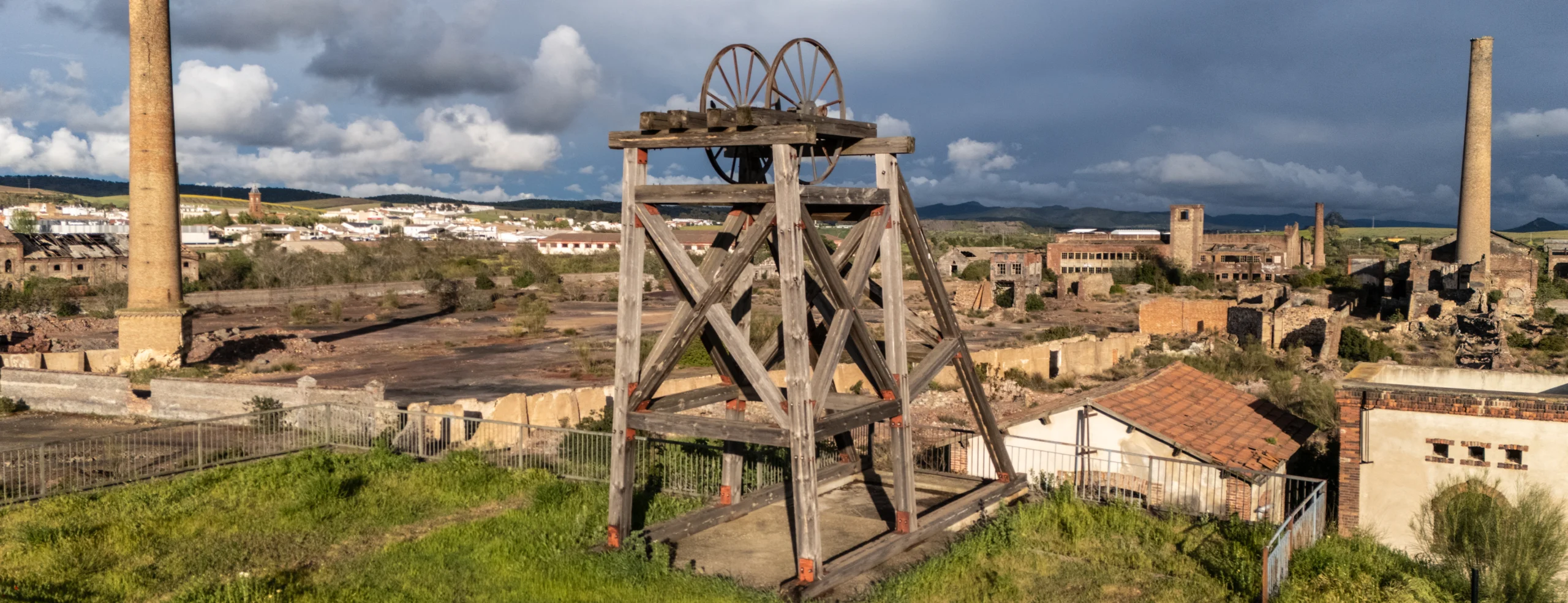
Industrial tourism: the mining memory that defines the Guadiato Valley
The Guadiato Valley cannot be understood without its industrial past. For decades, mining and railroads transformed this territory, its landscape and the lives of its inhabitants, leaving a deep imprint that today is preserved as one of its most unique heritages. Industrial tourism allows you to discover this history from the inside, touring areas that were key to the Industrial Revolution in southern Spain.


