


- Inicio
- >
- Explore the valley in 5 days
Explore the valley in 5 days
Day 1
The steppe and villages of the northern Guadiato Valley
We suggest you start your journey through the Guadiato Valley exploring its northern area, a wide and open territory where the steppe landscape marks the character of the environment.
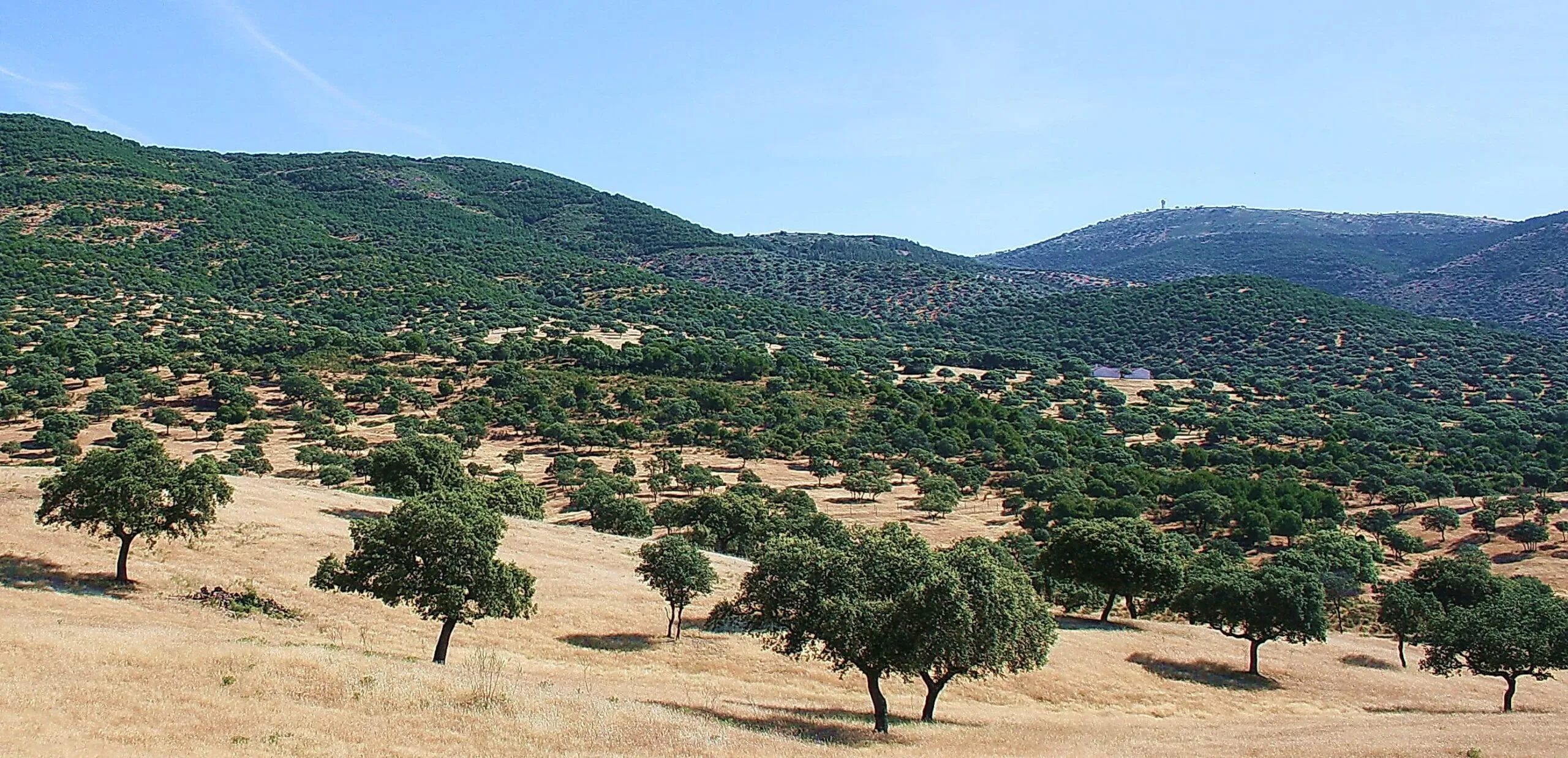
It is a little known space, dominated by long horizons, gentle undulations of the terrain and a clean light that invites you to observe calmly. From early in the morning, the journey by car through municipalities such as La Granjuela, Los Blázquez and Valsequillo allows you to discover one of the most unique faces of the region, ideal for stopping, photographing and understanding the historical relationship between the territory and its inhabitants.
During the journey, strategic stops allow us to appreciate the natural wealth of the area, especially in the protected areas linked to steppe birds. The landscape, apparently simple, hides a great diversity and conveys a sense of spaciousness difficult to find elsewhere in the province. At mid-morning, a stop for refreshments helps to maintain the leisurely pace that defines this first day.
Lunch, arranged in a traditional inn with a wood-fired oven, is an opportunity to get in touch with the local gastronomy from the first day, based on simple recipes, local products and recognizable flavors. In the afternoon, the trip continues to Fuente Obejuna, one of the most important historical centers of the Guadiato Valley. The interpreted tour covers its most emblematic spaces, such as the Historical Museum and the unique Modernist Palacete, bringing the visitor closer to the history and cultural identity of the municipality.
The most special moment of the day comes with the interpretation of a fragment of Fuenteovejuna, by Lope de Vega, represented in an exclusive and close way. A cultural experience that connects literature, history and place, and that leaves a first deep impression of the character of the valley before returning to the lodge to rest.
Day 2
Mining, villages and industrial heritage
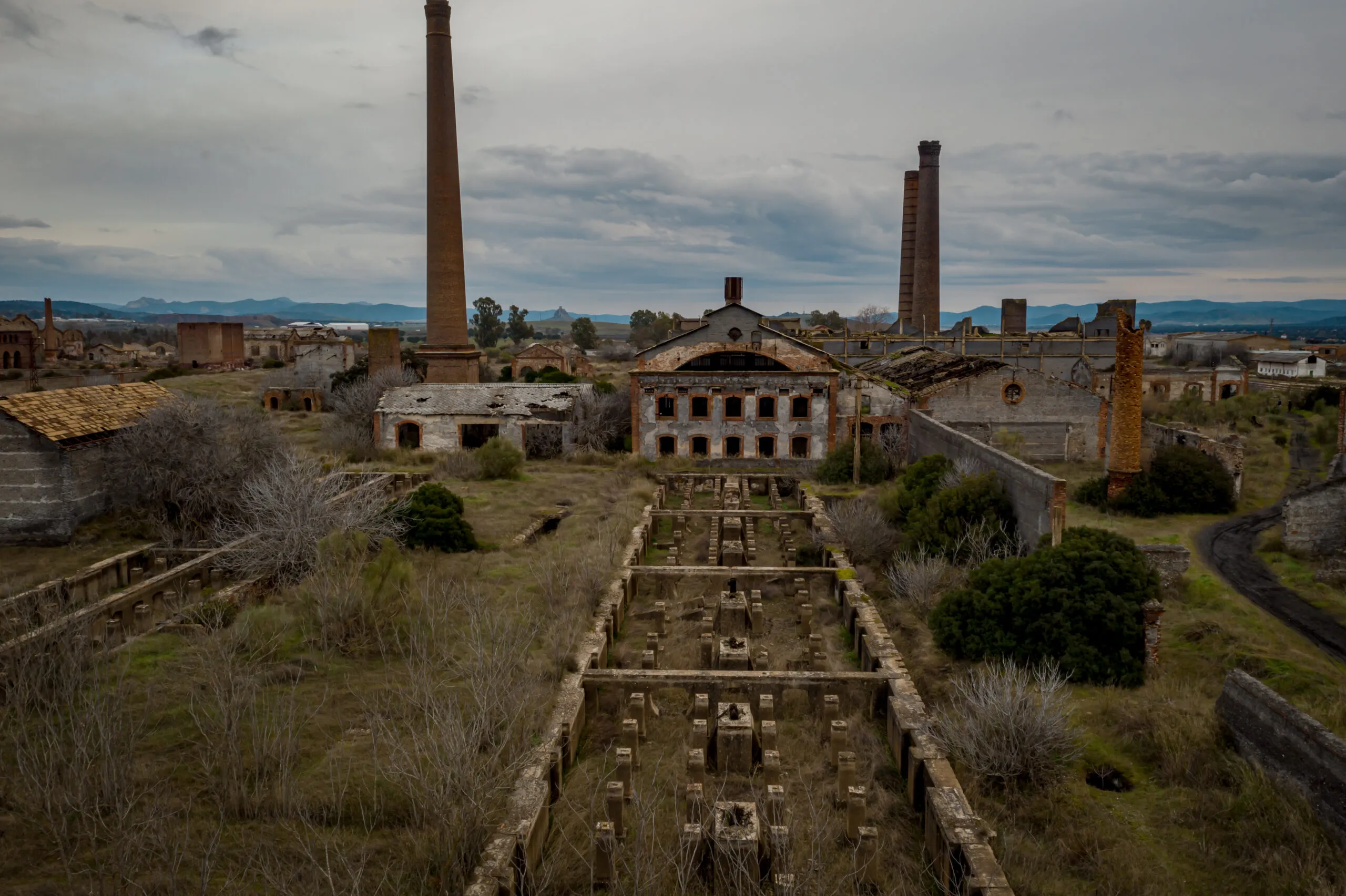
The second day is dedicated to discovering one of the most decisive stages of the Guadiato Valley: its mining and industrial past.
After being picked up at the accommodation, the day begins with a photographic route through the villages of Fuente Obejuna, small rural towns where time seems to move more slowly and where daily life preserves deep-rooted traditions. The interpreted visit to the Museum of Popular Customs, in the village of La Posadilla, allows us to understand what life was like in the rural environment and how the community was organized around the land and traditional trades.
The tour then moves on to Peñarroya-Pueblonuevo, the industrial heart of the valley for decades. The guided tour through its mining and industrial heritage offers a complete vision of the economic and social transformation experienced by the region. Spaces such as the Yutera, the Geological-Mining Museum, the old central warehouse or the industrial fence explain, in a clear and accessible way, the importance of mining in the configuration of the territory.
After lunch in the town, the afternoon is free to stroll through the French Quarter, one of the most unique urban spaces, or to walk along the Via Verde de la Maquinilla, a quiet route that allows you to enjoy the scenery following the old railway line. It is a perfect end to the day to assimilate everything you have learned and enjoy the surroundings without rushing before returning to your accommodation.
Day 3
History, pastures and gastronomic traditions
The second day is dedicated to discovering one of the most decisive stages of the Guadiato Valley: its mining and industrial past.
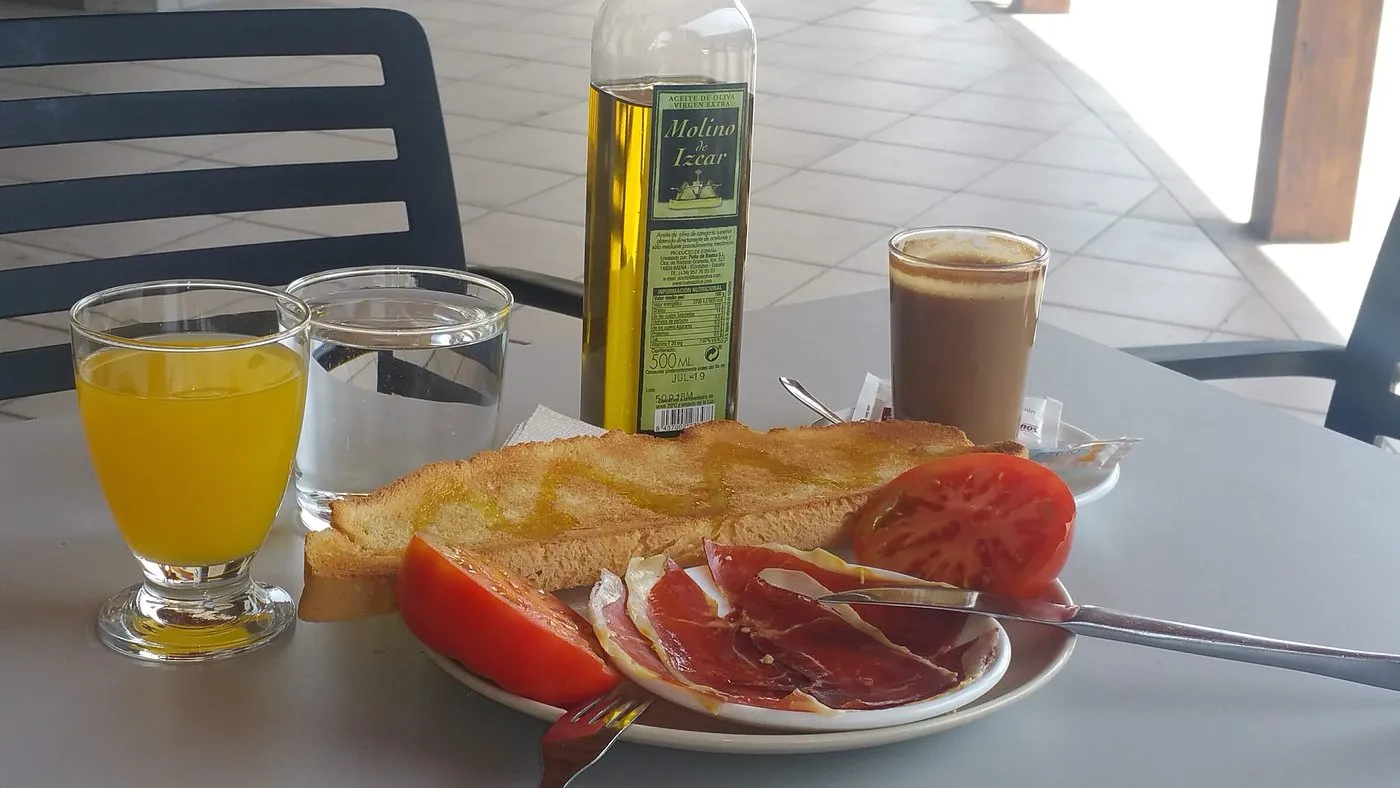
The third day in the Guadiato Valley is an invitation to discover the territory through the flavors, those born of the pasture, the popular knowledge and a way of life linked to the environment for centuries. A day where history, landscape and gastronomy go hand in hand to close the travel experience in an authentic way.
The morning begins in the heart of the Mediterranean pasture, one of the great treasures of the valley. Holm oaks and cork oaks draw an open and harmonious landscape that not only defines the territory, but also sustains one of its most renowned gastronomic traditions: the breeding of the Iberian pig. Walking through this environment allows us to understand how the quality of products such as ham, sausages and Iberian meats is directly linked to the balance between nature and human activity.
The tour continues to villages where gastronomy is part of everyday life and local identity. At Villaviciosa de Córdobathe traditional cuisine is based on recipes handed down from generation to generation: hearty stews, game meats, garden products and simple preparations that put in value the raw material. It is an ideal place to enjoy a quiet meal and savor the Guadiato unhurried.
In the afternoon, the route advances to Obejoone of the municipalities with more personality of the valley. Its historic center, of medieval origin, is combined with a strong gastronomic tradition linked to the use of the environment: artisan sausages, spoon dishes and recipes that have their origin in the humble cuisine of shepherds and laborers. A stroll through its streets and viewpoints allows you to understand how history and gastronomy intertwine in a natural way.
The day can be completed with a visit to small local stores, traditional butchers or artisan producers, where you can discover products made responsibly and with their own identity. Oils, cold meats, homemade sweets and local wines are the perfect souvenirs to take home a piece of the valley.
Day 3 bids farewell celebrating the flavor of the Guadiato Valley, a territory where the pasture is not only landscape, but culture; where history is simmered and where each dish tells a story. A perfect end to a journey that is lived with all five senses.
Day 4
Nature, southern landscapes and mining culture
The fourth day focuses on the nature and landscapes of the southern Guadiato Valley, an area where the relief becomes more varied and the natural environment acquires greater prominence.
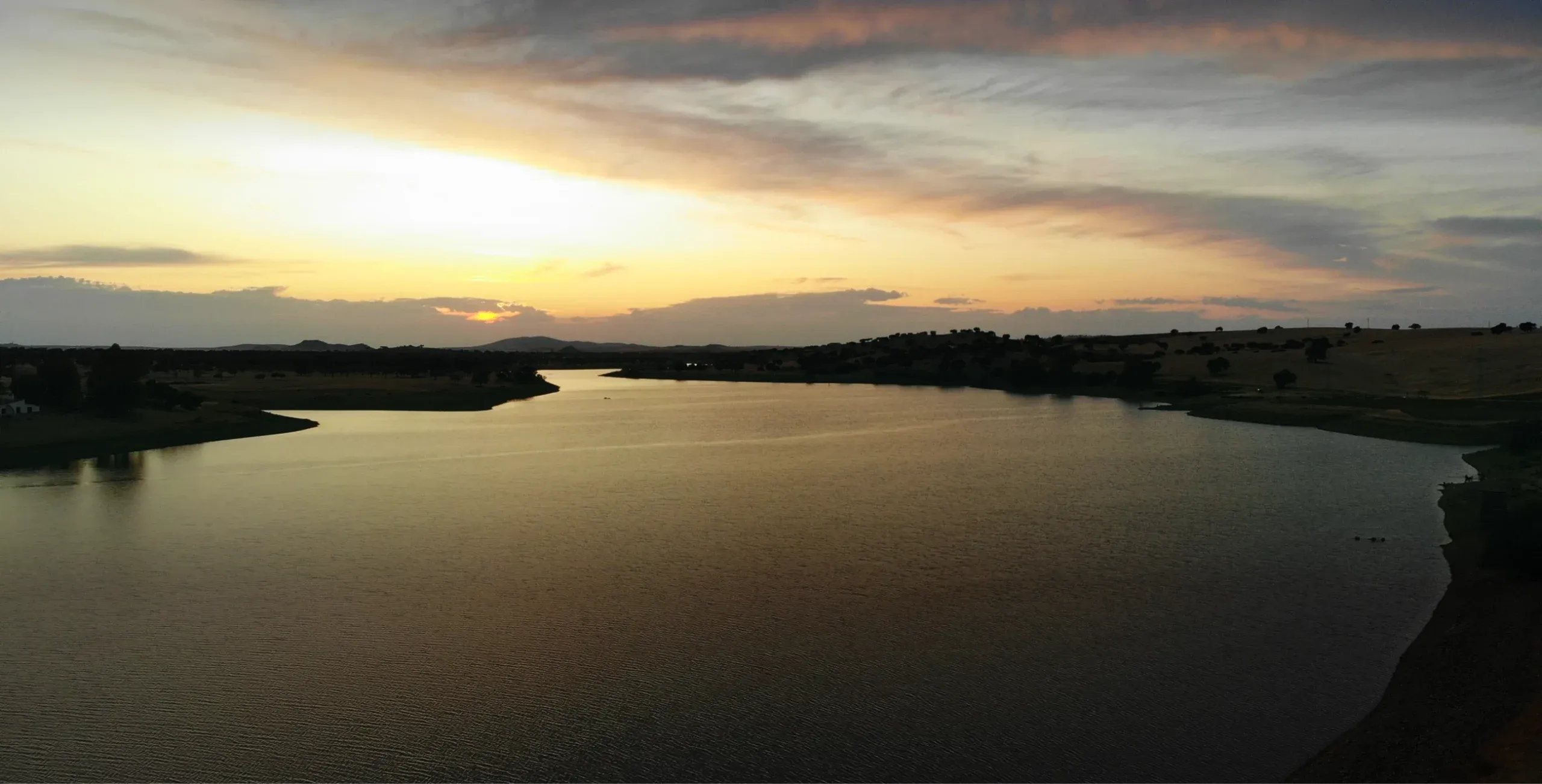
The morning can begin with a photographic safari in 4×4 vehicles, designed to observe wildlife and capture images of the landscape, or with an interpreted scenic route through Villanueva del Rey, ideal for getting to know the vegetation and geography of the area in a more leisurely way.
The itinerary continues to Villaviciosa de Córdoba by inland routes, crossing little-traveled areas of great scenic value. There, the visit to organic wine cellars or game meat sausage factories allows us to further deepen the relationship between the territory and its local production. After lunch in Villaharta, the afternoon is dedicated to visit the Historic Site of Cerro Muriano and its Copper Museum, a key place to understand mining from Roman times to more recent times.
Alternatively, we suggest a ride through the olive groves of the sierra to Obejo and a visit to the Ermita de San Benito, an option more focused on the rural landscape. Before returning to the lodge, a stop at El Vacar allows you to buy traditional bread and pastries, closing the day with authentic flavors of the valley.
Day 5
Wellness, water and farewell to the valley
The last day of the trip is designed to relax and say goodbye to the Guadiato Valley from the calm.
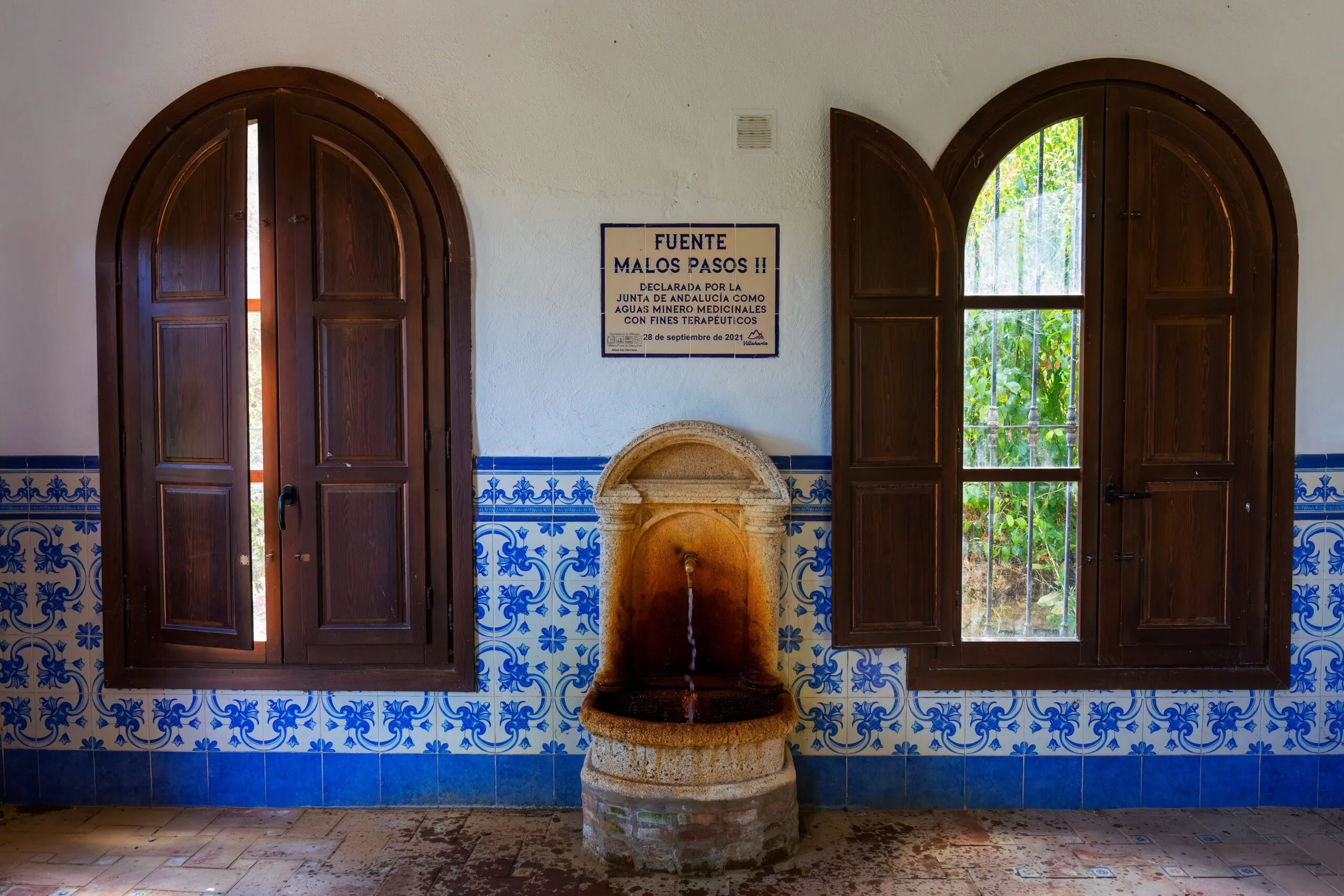
The morning begins at the Villaharta Spa, where a circuit of relaxing baths allows you to enjoy water as a therapeutic element and connect with the environment from a wellness perspective. It is the ideal moment to slow down and assimilate all the experiences lived during the previous days.
After a healthy lunch, the afternoon proposes a quiet route through the fountains of Villaharta and Espiel, a route that combines nature, water and tradition. Strolling through these environments invites you to observe small details, listen to the sound of water and close the journey in a serene way.
The farewell to the Guadiato Valley leaves the feeling of having discovered a diverse and authentic territory, where every day offers a different experience but consistent with its rural identity, its history and its unhurried way of living time.
More from the blog
-
- 13.01.2026
- By
A bit of history
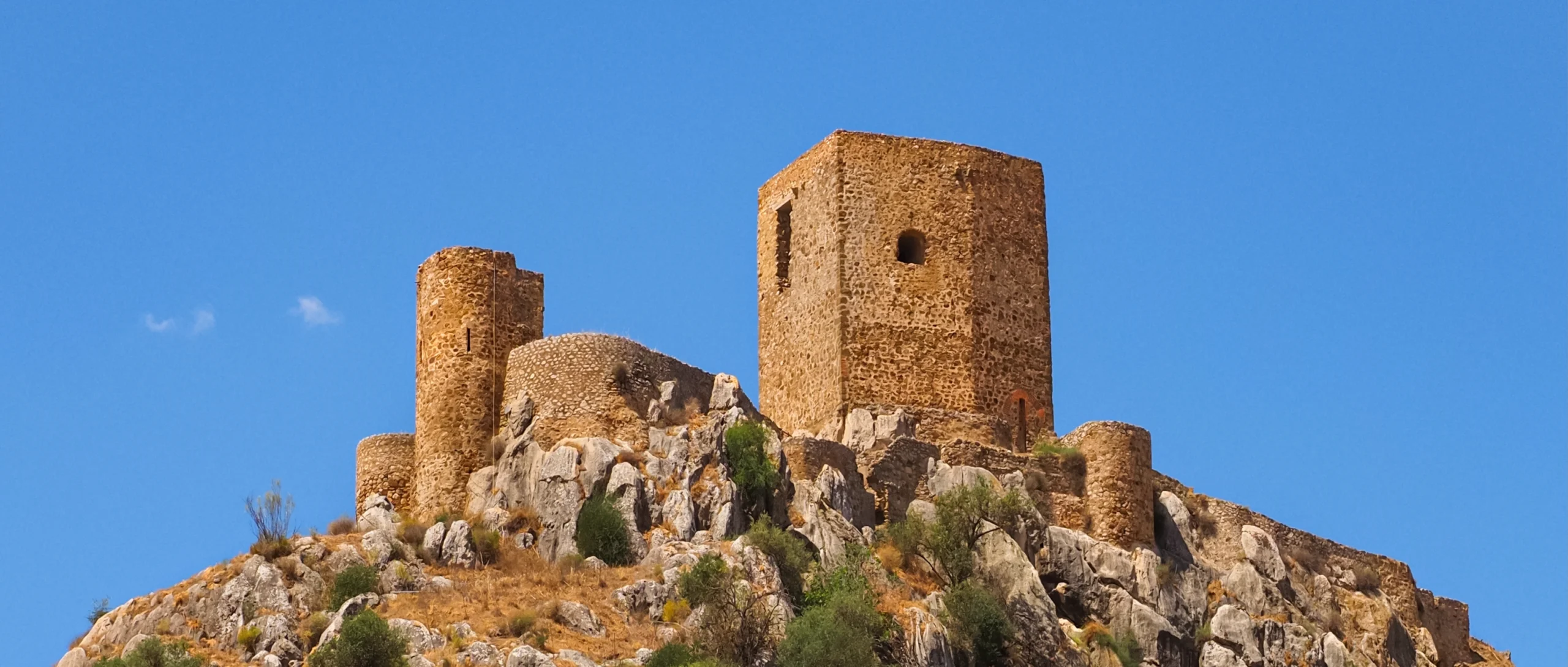
The Guadiato Valley has been since ancient times a favorable territory for human settlement and the development of different cultures. The oldest remains found in the area date back to the Lower Paleolithic, when the first hunting and gathering communities began to inhabit this area rich in natural resources.
-
- 13.01.2026
- By
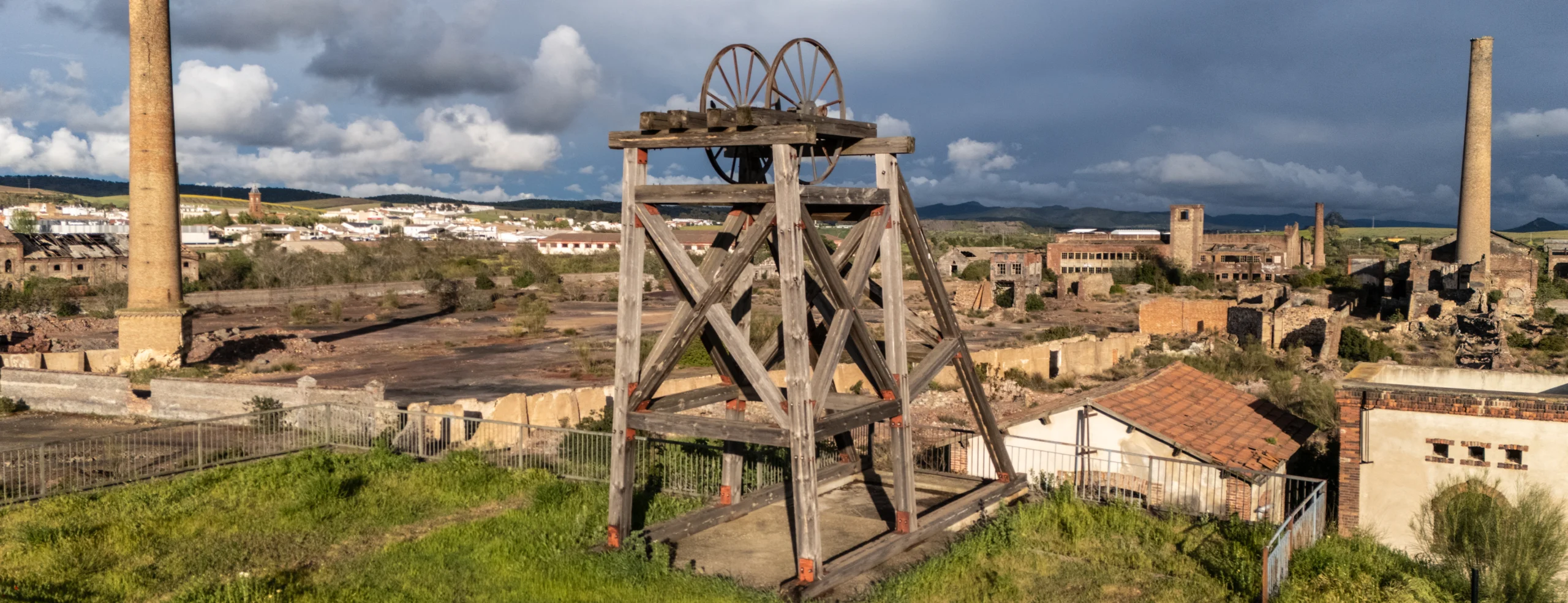
Industrial tourism: the mining memory that defines the Guadiato Valley
The Guadiato Valley cannot be understood without its industrial past. For decades, mining and railroads transformed this territory, its landscape and the lives of its inhabitants, leaving a deep imprint that today is preserved as one of its most unique heritages. Industrial tourism allows you to discover this history from the inside, touring areas that were key to the Industrial Revolution in southern Spain.


